Editor's Pick
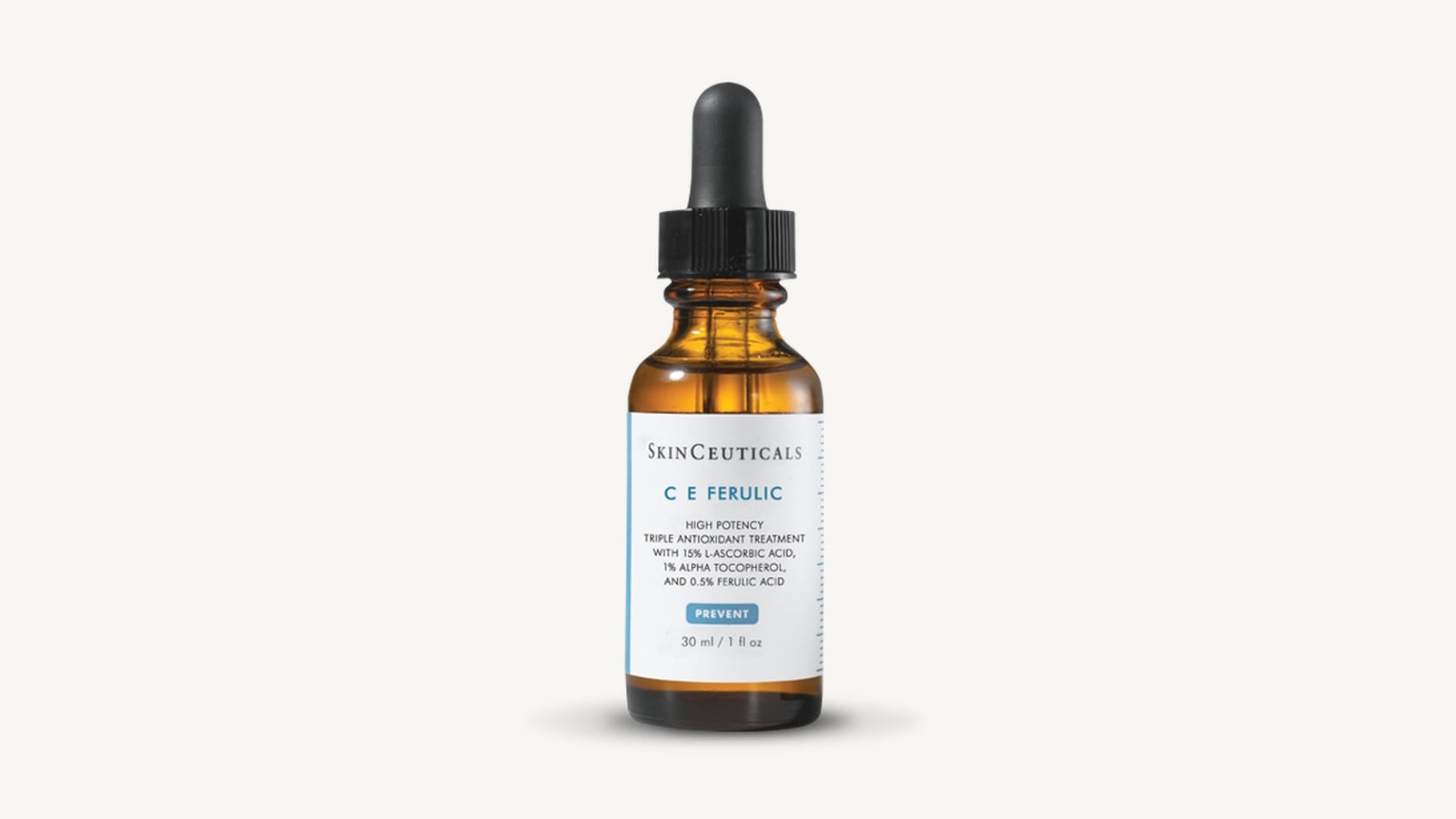
How much research is behind SkinCeuticals C E Ferulic?
A claim of more than 100 peer-reviewed studies sounds impressive. But the documented research record tells a more precise story.
Read the InvestigationDoes CeraVe Acne Control Gel prevent new breakouts?
CeraVe says its 2% salicylic-acid gel helps prevent new breakouts. Here’s what the public clinical evidence can—and can’t—tell us about that claim.
ReadDoes Olaplex really rebuild broken hair bonds? Here’s what the evidence shows.
An independent 2024 lab test bought Olaplex off the shelf and found it makes hair stronger — but not through the mechanism the label describes.
ReadAdvanced Night Repair: does it work? What the science actually proves
A clinical trial cited as proof of Advanced Night Repair's key ingredient tested an oral supplement, not a serum.
ReadIs the Dyson Airwrap worth it? What the science says about “no heat damage”
Dyson's £479.99 styler claims to cause no damage. Peer-reviewed hair science tells a different story.
ReadCrème de la Mer: the £350 cream that performed no better than Nivea
Independent testing compared Crème de la Mer against Nivea on two instruments. The results were nearly identical.
ReadRoC Retinol Correxion: the one-night wrinkle claim that peer-reviewed science measures in months
The smoothness in the morning mirror is genuine, and so is the disappointment at the sink. Only one of them has anything to do with the retinol.
ReadSisley Paris and the zombie cells: what the 15% and 45% figures rest on
Behind the €310 serum and its talk of zombie cells sits a supplier's unpublished lab experiments and a 28-day questionnaire about skin firmness.
ReadDo collagen supplements reduce wrinkles? What independent research actually found
The largest independent review of 113 collagen trials found no significant improvement in wrinkles — while industry-funded studies consistently reported benefits.
Read