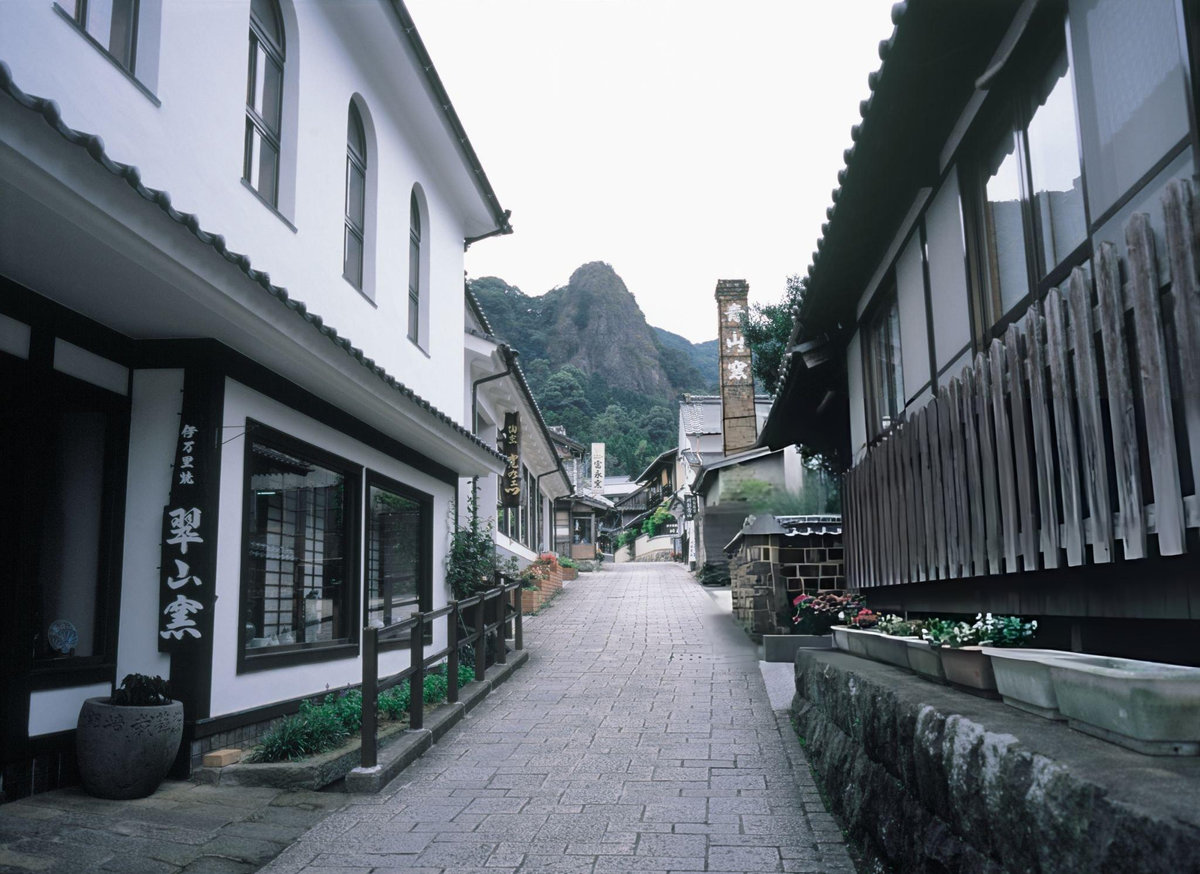
The story begins in Okawachiyama, a secluded mountain village in Saga Prefecture, where Japan’s most mysterious pottery tradition faces extinction from cheap ceramic imports flooding global markets. Once known as the “Village of Secret Kilns”, this community has safeguarded porcelain-making techniques for over 400 years behind guard posts and natural mountain barriers.
Over 30 traditional kilns still fire clay in this small valley. Here, Korean masters were once forcibly relocated and commanded to create ” the very best polychrome porcelain, on pain of death”. Their descendants now face a different kind of threat— mass production that could destroy centuries of protected craft heritage.
What has happened to Japan’s ceramic industry tells a sobering story. This pressure has had devastating effects. The entire sector has been in severe depression since the early 1990s, with factory numbers cut by more than half since 1991’s peak.
Free weekly newsletter
Get every new story directly in your inbox.
Craft Heritage features of artisan traditions — and the pressures they face — delivered free.
The statistics are clear. Cheap ceramic tableware from East and Southeast Asian countries has seized significant Japanese market share. Many workshops survived “only with the drastic reduction of employees”, while the number of wholesalers in nearby Arita dropped sharply from 250 to just 150 by 2009.
Financial difficulties became common. Payment delays and credit issues plagued workshops, forcing cooperative associations to act as makeshift banks—identifying which potteries were “more successful and which were in crisis”.
Yet the craftspeople of Okawachiyama found ways to thrive. Their most radical move? Abandoning traditional wholesale relationships entirely for direct tourist sales.
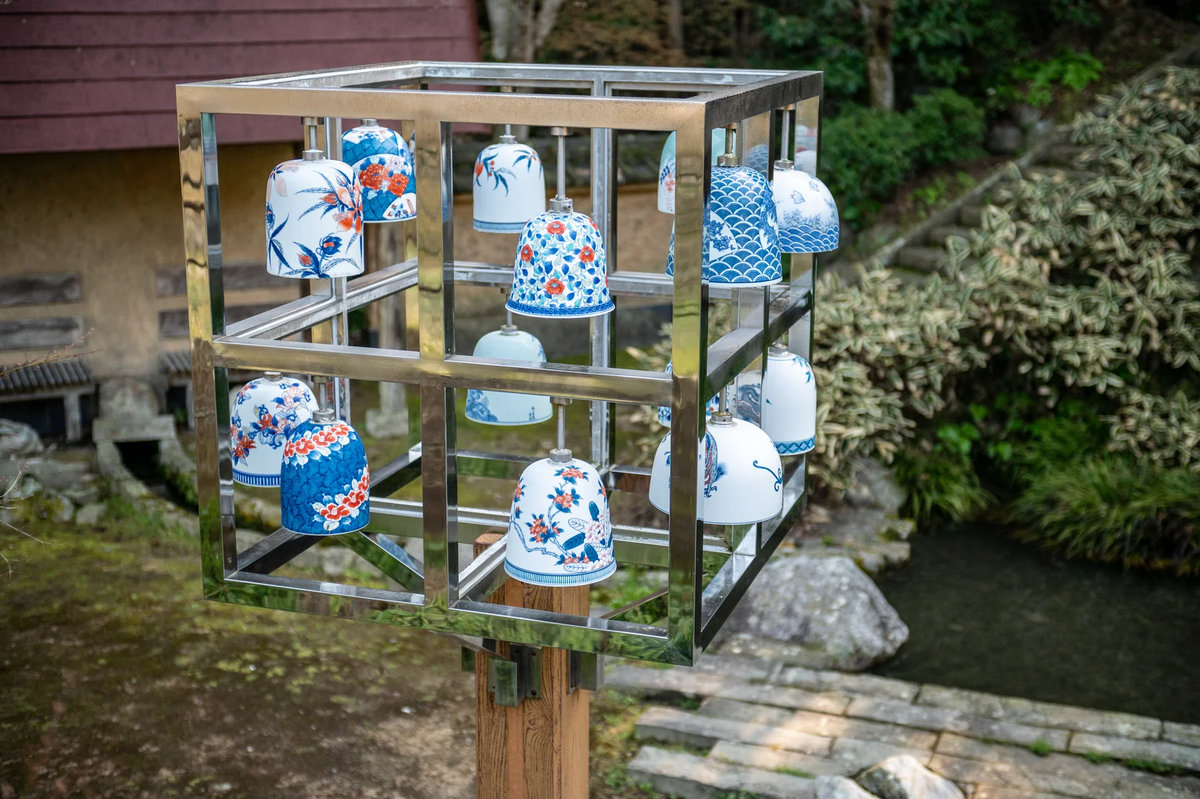
One potter’s experience illustrates this transformation clearly. He specialised in luxury goods like perfume bottles, dramatically cutting wholesale relationships from 200 to just 3 by 2003. “If our locality could not survive, my potter could not survive as well”, he told researchers, whilst maintaining 20 stable employees despite the industry’s struggles.
The village also reclaimed its identity. These makers now promote ‘Imari-Nabeshima-yaki’, celebrating their heritage as descendants of official clan potters who believe their tradition is “much more refined than that at old Arita-cho”.
The results are striking. During festival markets, 31 potteries collectively generate 80 million yen in just five days. Some now achieve over 90% direct sales, capturing profit margins once lost to intermediaries. Innovation also drives survival—the artisans create luxury kaleidoscopes averaging 40,000 yen and fountain pens selling for 150,000-250,000 yen.
This village’s resilience teaches crucial lessons about authentic craft competing against mass production. Okawachiyama’s success shows that traditional makers can thrive by building direct relationships with customers who value authenticity.
The village’s ability to “get cash earnings through tourism” is envied by other pottery regions across Japan. Their approach proves that cultural heritage becomes a competitive advantage when it is carefully presented.
Supporting traditional crafts means paying premium prices that reflect the true cost of skilled labour. Other communities can learn that survival requires preserving core techniques whilst completely reimagining business models. Most importantly, solidarity proves essential—cooperation develops naturally in small, unified places like Okawachiyama, something larger, fragmented districts struggle to achieve.