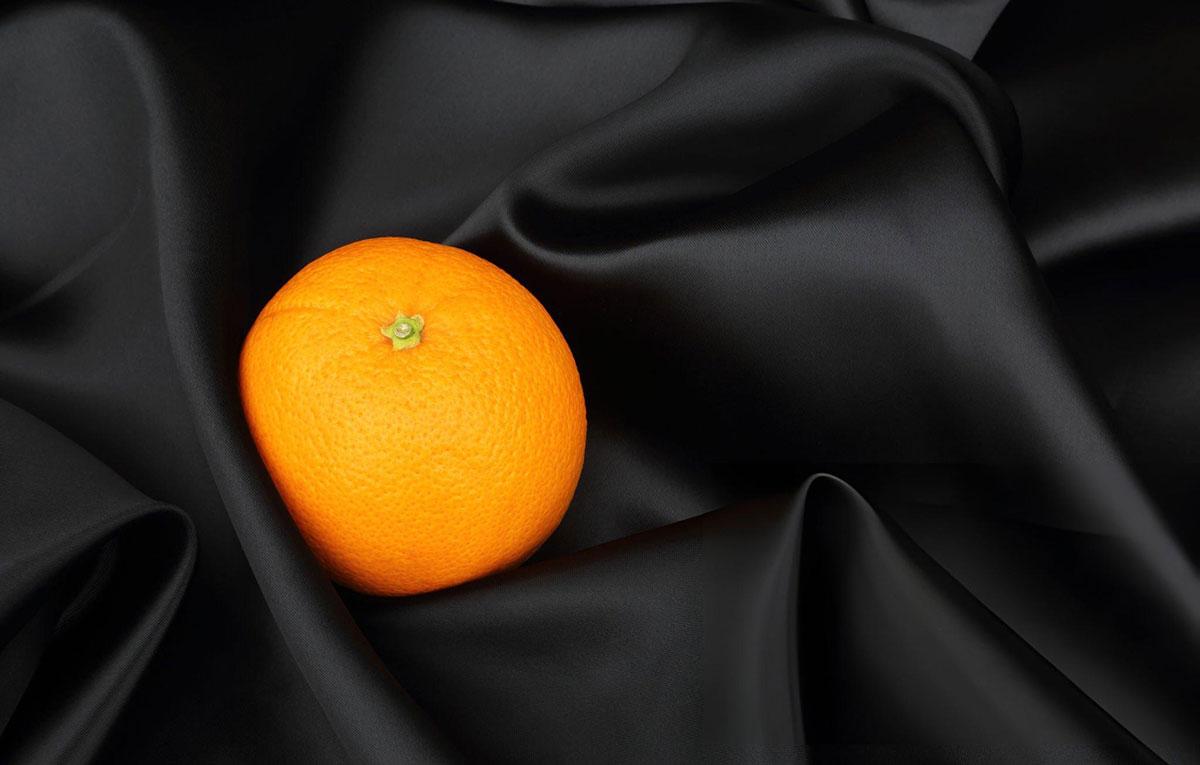
Sicily, Italy. A curious experiment takes place. Adriana Santanocito and Enrica Arena, two young Italian entrepreneurs, are transforming orange peel waste into high-quality clothing. Their company Orange Fiber, founded in 2014, has an ambitious goal: to transform citrus fruit waste into luxurious textiles.
By extracting cellulose from orange peel, they have developed a silk-like fabric that processes the 700,000 tonnes of citrus waste produced in Italy every year.
What inspired Adriana Santanocito and Enrica Arena to create Orange Fiber?
The idea for Orange Fibre was born while Santanocito was studying design in Milan, where she came up with a sustainable yarn made from citrus waste. This concept quickly caught the attention of Arena, who brought her expertise in communication and sustainable fashion to the project.
As Arena explains in an interview with Eco-nnect:
“We had different backgrounds but we shared the dream of changing the world starting from our country – Italy – and region – Sicily – using our skills and passion.”
Together they worked to patent the technology that turns citrus waste into a soft, shiny textile. The patenting process was crucial in protecting their unique process and securing their position as pioneers in the field.
Their innovation quickly caught the attention of luxury brands such as Salvatore Ferragamo, which featured Orange Fiber in its Spring-Summer 2017 collection, showcasing the material’s potential for high-end fashion.
From a visionary idea to a fabric gracing the catwalks of high-end fashion, Orange Fiber has come a long way. But how exactly do you turn discarded citrus peel into luxurious, sustainable textiles?
How does Orange Fiber transform citrus waste into high-quality textiles?
Transforming orange peel into high-fashion fabric is a meticulous process that combines scientific innovation and sustainable fashion.
It begins with the collection of citrus juice by-products, known as pastazzo, which is rich in cellulose— – an essential component for fibre production.
It is the pulpy leftovers from juice production that most consider worthless, which is very rich in cellulose!
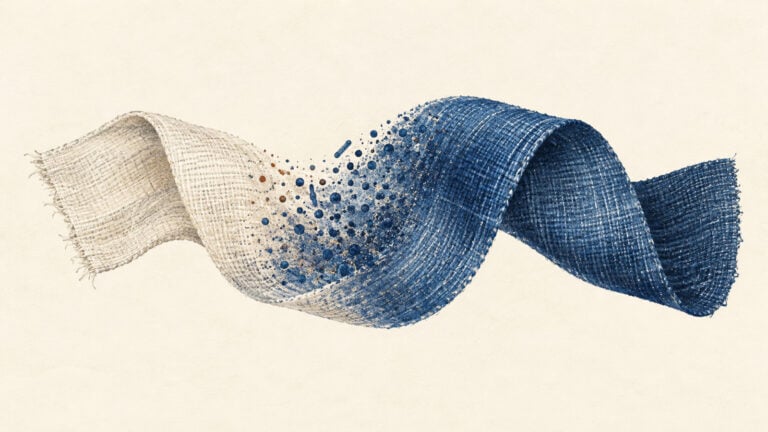
This pastazzo undergoes a patented chemical treatment to extract the cellulose, which is then spun into yarn.
As Enrica Arena describes, “We process the leftovers of the citrus juice industry in our pilot plant in Sicily, extracting the citrus cellulose apt to be spun, then we send it to a partner which is in charge of spinning it, then the yarn goes to our selected fabric producers, where our exclusive fabrics are finally made.”
This yarn can be woven into fabrics, used in its pure form or blended with other materials such as silk or cotton, offering a diverse range of textures and finishes.
This innovative approach transforms waste into a valuable resource and sets a new standard for environmentally friendly textile production. The result is a material that not only reuses citrus by-products, but also rivals conventional fabrics in terms of quality and versatility.
What makes Orange Fiber a sustainable alternative to traditional silk?
Orange Fiber isn’t just another eco-friendly material; it’s a textile that mimics the luxurious texture of silk, offering a soft, smooth feel that has caught the attention of high-end fashion designers.
Unlike traditional silk production, which raises ethical concerns, Orange Fiber offers a cruelty-free alternative.
Enrica Arena, co-founder of Orange Fiber, explains, “If used pure, so developing a 100% citrus textile, the resulting fabric will have a soft and silky feel, lightweight, opaque or shiny according to the production needs.”
By repurposing citrus juice by-products, Orange Fiber contributes to waste reduction. In Italy alone, the company has successfully repurposed more than 120 tonnes of citrus by-products that would otherwise have been discarded.
Perhaps the most intriguing aspect of Orange Fiber is its potential health benefits. The natural oils extracted from citrus fruits in the fibre contain vitamins A, C and E. These vitamins are released on contact with the skin and offer unique additional benefits to the wearer. While more research is needed to quantify these benefits, the concept of clothing that cares for the skin is certainly appealing.
Orange Fiber represents an innovative step towards sustainable fashion by transforming citrus waste into luxurious textiles. While it demonstrates the potential of transforming waste materials, it’s important to view this development critically. The technology, though promising, faces challenges in scaling up and widespread adoption.
The company is actively exploring partnerships with larger citrus producers and investing in more efficient extraction technologies to meet these challenges.
As consumer demand for sustainable fashion increases, innovative materials such as Orange Fiber are poised to play a significant role in shaping the future of the industry. The company’s success has already inspired other entrepreneurs to explore alternative sources for sustainable textiles, from pineapple leaves to mushroom leather.