
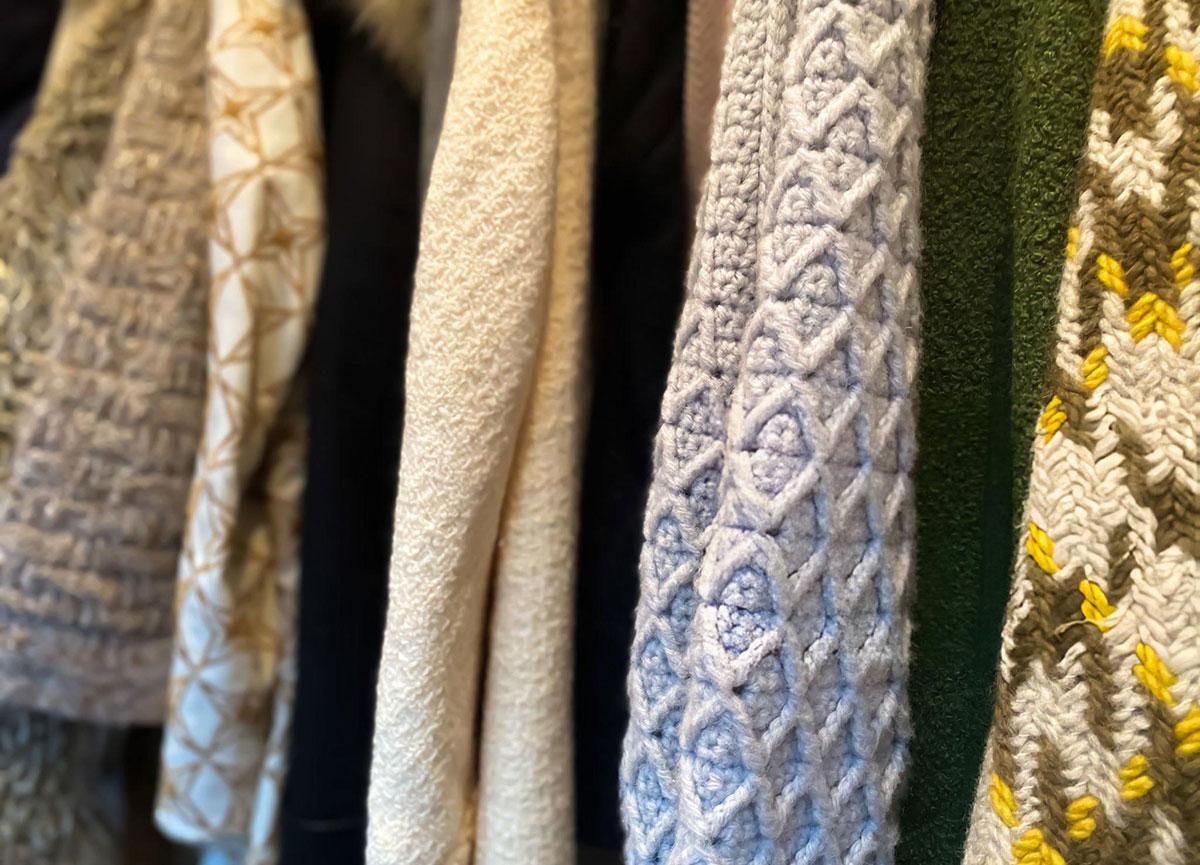
From an ethical point of view, the choice of clothing can have serious implications. Fashion doesn’t just affect our style and our wallets. It also has a big impact on our planet and the people who make our clothes. The good news is that the industry is moving towards fabrics that are better for people, animals and the environment.
The bad news is that greenwashing practises are rife. With so much choice, it can be difficult to recognise which fabrics are ethical and which are just a marketing ploy. Let’s take a look at some of the best fabrics out there and what makes them so special.
Tencel (Lyocell): A Sustainable Fabric
Tencel, also known as Lyocell, is made from wood pulp, often from eucalyptus trees. These require much less water than cotton. The production process is also a closed loop, which means that almost all the chemicals used to make the fabric are recycled back into the process. The material is also very comfortable and feels luxuriously soft against the skin. If you are interested in ethical fashion and have never worn Tencel before, you should definitely give it a try.
Recycled polyester: Reducing Plastic Waste
Polyester, which is not normally environmentally friendly, can be considered ethical if it is recycled. Instead of ending up in landfill or in the oceans, plastic bottles and other used plastics can be given a new lease of life and turned into fibres for making clothes – from T-shirts to swimsuits.
Recycling polyester helps to reduce the need for virgin plastic and minimise waste. It is also durable, lightweight and easy to care for. However, it’s important to remember that recycled polyester releases microplastics that harm marine life. You can avoid the problem by washing the garment in a laundry bag with a microfibre catcher to prevent some of these particles from entering the ocean.
Linen: Ancient and Eco-Friendly
Linen has been around for thousands of years and is still one of the most environmentally friendly materials. Obtained from the flax plant, linen does not need much water to grow and is not fussy about soil quality. This makes it an extremely environmentally friendly plant. Few (if any) chemicals are needed to produce linen, which is a benefit for the environment.
Bamboo: Pros and Cons
Bamboo is often touted as the dream material for all environmentalists. It grows super-fast, requires no pesticides and very little water. However, the process of turning raw bamboo into usable fabric can be very chemical, so the result isn’t always as environmentally friendly as it seems.
There are some more sustainable alternatives that do not use toxic chemicals, such as bamboo linen. Bamboo rayon (often referred to as “bamboo fabric”) should be avoided. If you do opt for bamboo, look for brands that use a closed-loop process or look for certified bamboo linen.
Conclusion: Making Ethical Fabric Choices
Choosing ethical fabrics is more than just a trend. It’s a way to help our planet, support fair labour conditions and make a positive impact with every piece of your wardrobe. By paying attention to materials like organic cotton, hemp, Tencel, recycled polyester and linen, you can enjoy fashion that’s kinder to the environment and kinder to your conscience.