
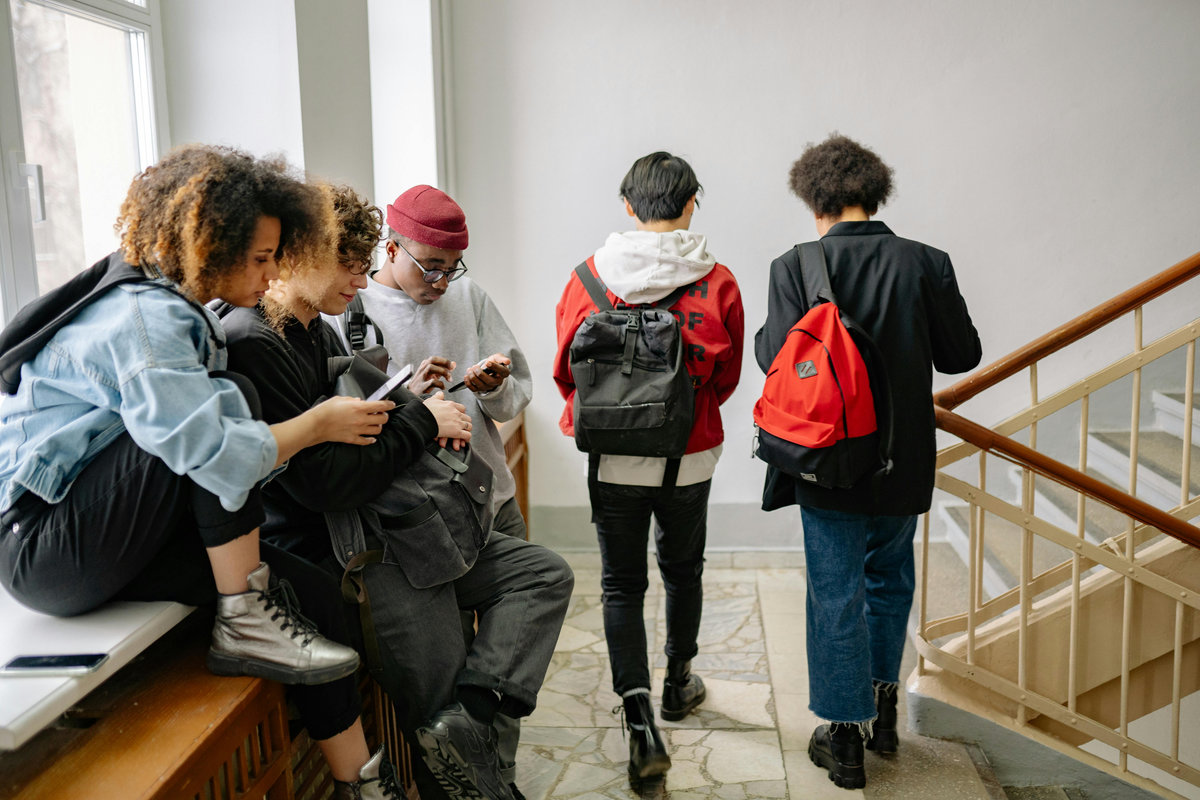
When you step onto a university campus, you’ll notice something almost immediately: the diverse array of outfits students wear. From casual jeans and t-shirts to trendy streetwear and professional-looking attire, clothing choices go beyond just comfort or style—they play a significant role in shaping how students feel about themselves. How does what we wear truly influence our confidence in the university environment?
The Role of Clothing in Shaping Student Identity
University is a time of self-discovery, and how students dress is often a reflection of the identity they’re developing. Think of fashion as a visual language—it speaks louder than words. Whether you’re someone who loves to follow the latest trends or you prefer sticking to a minimalist wardrobe, your clothing choices tell others about your personality, interests, and values.
A student who dresses in a laid-back, bohemian style may project an easy-going, creative persona, whilst someone who wears more structured, formal clothing might come across as ambitious or professional. Students use clothing as a tool to express their individuality, making it a key part of shaping their personal identity during these formative years.
How Fashion Affects First Impressions on Campus
First impressions matter, especially at university, where you’re meeting many new people. The way students dress can influence how others perceive them—whether it’s peers, lecturers, or potential employers. A neatly dressed student might be seen as more serious or responsible, whilst someone in more casual attire could be perceived as approachable or relaxed.
These perceptions can affect how students interact with one another. A student who wears clothes that align with popular trends might feel more accepted in social circles where appearance is highly valued. A student who feels their style doesn’t match the norm might struggle with fitting in. This is where confidence comes into play—how comfortable students feel in their clothing can impact how they present themselves and interact with others.
The Influence of Peer Groups and Trends
Fashion trends are often shaped by peer groups. Social influences, friends, campus culture, and social media play a huge role in determining what’s fashionable. If everyone around you is wearing branded trainers or oversized jackets, it’s easy to feel pressure to conform.
This pressure to dress in a particular way can affect how confident a student feels about their appearance. Wearing trendy clothes can make students feel they belong to a certain social group. However, the need to constantly keep up with these trends can lead to stress and anxiety, particularly for those who may not have the financial means to follow the latest fashions.
Managing academic pressures alongside social expectations can be overwhelming. Some students find that seeking support, such as from EduBirdie, helps them balance their workload whilst maintaining their personal wellbeing.
Confidence Boosters: Clothing and Self-Esteem
Have you ever put on a favourite outfit and instantly felt more confident? There’s a good reason for that. Clothing has the power to influence how we feel about ourselves. Studies have shown that the act of dressing up can improve self-esteem by creating a sense of control and intentionality. This feeling of empowerment can carry over into other areas of life, especially at university, where students often face academic pressures and social challenges.
For many students, dressing in a way that feels good and suits their personality can provide a psychological boost, helping them walk into lectures, presentations, or social events with confidence.
Fashion: A Reflection of Personal Expression
One of the greatest benefits of university life is the freedom to express yourself. For many students, fashion is one of the most accessible and visible forms of self-expression. From quirky graphic tees to bold hairstyles, students use their outfits to showcase their personality, mood, or even political views.
This self-expression can have a powerful impact on confidence. When students are able to dress in a way that feels authentic to them, it helps them feel more comfortable. This sense of authenticity can boost self-esteem and encourage students to embrace who they are, regardless of societal expectations or stereotypes.
The Impact of Socioeconomic Background on Fashion Choices
Not all students have the same access to trendy or expensive clothing. For some, the pressure to dress a certain way can create feelings of inadequacy, especially when their financial situation doesn’t allow them to keep up with the latest trends. Students from lower socioeconomic backgrounds might feel alienated from certain social circles because they don’t have the same fashion options as their peers.
However, these students often become experts in mixing and matching what they have or finding unique, stylish pieces through second-hand shopping. This creativity can lead to a different kind of self-assurance—the confidence that comes from being resourceful, unique, and true to oneself despite external pressures.
Balancing Comfort and Style
University life is busy, and students need clothing that can keep up with their hectic schedules. But it’s not just about functionality—comfort is also key to feeling confident. Think about the difference between walking into lectures wearing tight, uncomfortable clothes versus a cosy, well-fitting outfit that lets you move freely. The latter is likely to make you feel more at ease, allowing you to focus on your studies rather than constantly adjusting your clothes.
The balance between comfort and style varies depending on the individual. Some students feel more confident when they dress up, whilst others might feel just as good in casual, laid-back attire. The important thing is for students to find their own balance, dressing in a way that makes them feel confident both inside and out.
Conclusion
At university, what students wear can be much more than just clothing—it’s a powerful tool for shaping confidence, expressing identity, and making lasting impressions. From the way fashion affects first impressions to how it influences self-esteem, clothing is deeply intertwined with the university experience. As students continue to navigate their academic and social lives, finding their personal style can help boost confidence, foster a sense of belonging, and empower them to face whatever challenges come their way.