
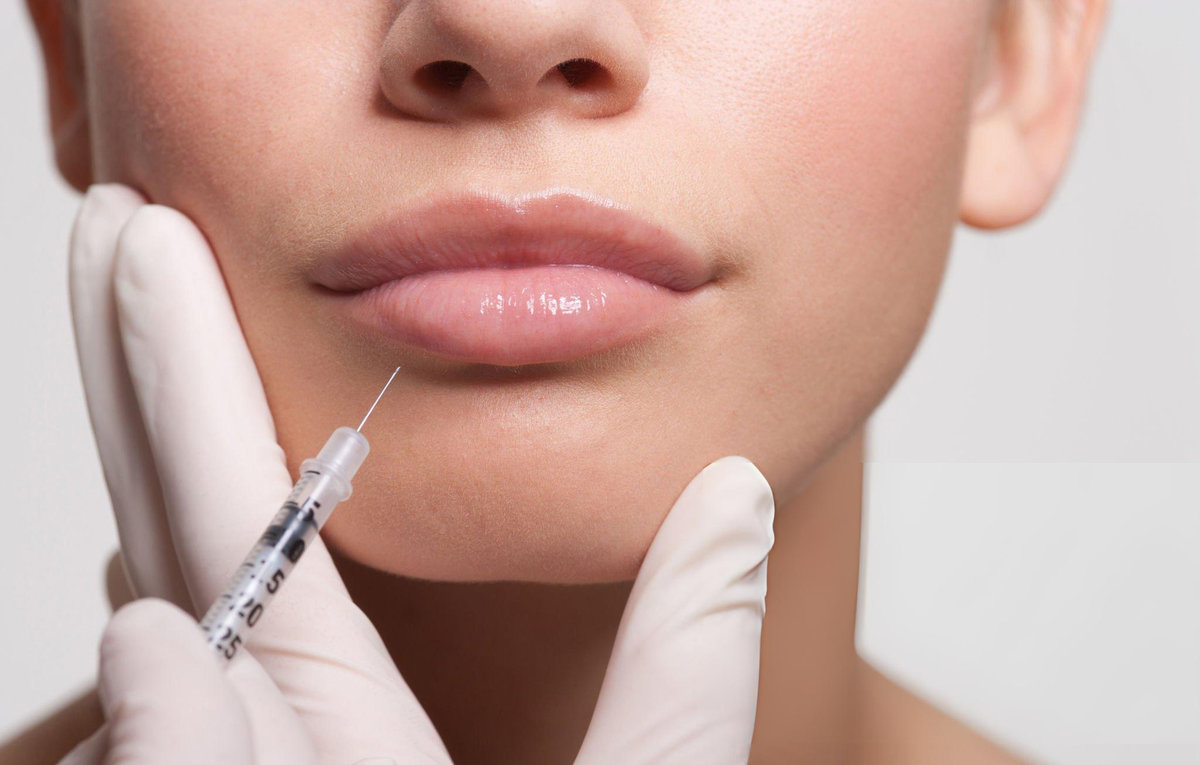
Metox is a botulinum-based product used in professional aesthetic practice to manage expression-related facial changes. It is applied in non-surgical procedures where controlled reduction of muscle activity is required to soften visible wrinkles and fine lines. The product is intended for trained practitioners who work with injectable techniques and follow established clinical protocols. This article explains the purposes for which Metox is used, how it is applied in daily aesthetic practice, and which professional considerations guide its use.
Botulinum Neurotoxin and Its Role in Aesthetic Medicine
In modern aesthetic medicine, botulinum products are widely used to address wrinkles that form due to repetitive facial expression. These changes develop over time as underlying muscle activity creates consistent folding of the skin. A neurotoxin is applied to temporarily reduce excessive muscle contraction, allowing the surface of the skin to appear smoother. This approach is focused on functional modulation rather than altering facial structure.
Practitioners assess expression patterns carefully before treatment. The goal is controlled muscle relaxation that preserves natural movement. Overcorrection is avoided to maintain balance and facial harmony. This method is commonly integrated into anti-ageing strategies that emphasise subtle improvement. When used correctly, the technique supports predictable and natural-looking results.
Wrinkles, Lines, and Expression-Driven Aging
Wrinkles and lines often appear first in areas of high facial mobility. Expression-related ageing is particularly noticeable in the upper face, where muscle activity is frequent. Metox is used when these changes are primarily dynamic rather than structural. The focus is on softening lines without eliminating expression entirely.
Practitioners differentiate between static wrinkles and those caused by movement. This distinction is essential for selecting the appropriate treatment plan. Expression-driven changes respond best to controlled muscle modulation. Treatment planning includes evaluation of symmetry and muscle strength. This ensures that results remain balanced across the face.
Forehead Treatment and Muscle Relaxation
The forehead is one of the most commonly treated areas in aesthetic practice. Lines in this region are closely linked to repetitive muscle movement associated with facial expression. Metox is applied when forehead lines are the primary concern and muscle relaxation is clinically appropriate. Treatment aims to reduce excessive activity while maintaining natural brow position.
Before injection, practitioners assess muscle distribution and baseline movement. Injection points are selected to support even relaxation. The goal is not immobilisation, but controlled reduction of movement. This approach helps achieve a refreshed appearance while preserving expressiveness. Careful planning is essential to avoid heaviness or asymmetry.
Injection Technique, Dose, and Clinical Planning
Metox is administered via injection and intended strictly for professional use. Each procedure begins with a detailed consultation and assessment of facial dynamics. The appropriate dose is selected based on muscle size, activity level, and treatment area. There is no universal dose, as individual anatomy varies significantly.
Injection technique plays a critical role in outcome quality. Practitioners apply the product gradually and monitor tissue response throughout the procedure. Accurate placement supports predictable muscle relaxation. Proper dose selection contributes to both safety and effectiveness. Documentation and follow-up are integral parts of responsible aesthetic care.
Aesthetic Rejuvenation and Antiaging Strategies
Aesthetic rejuvenation focuses on maintaining a youthful appearance through subtle interventions. Metox is used as part of anti-ageing plans that address expression-related changes without surgery. By moderating muscle activity, the treatment helps reduce the appearance of ageing signs associated with repetitive movement.
Rejuvenation is approached as an ongoing process rather than a one-time solution. Practitioners consider how treatments interact over time. The product is integrated into broader aesthetic strategies that may include skin-focused procedures. This holistic view supports long-term patient satisfaction. Results are evaluated over follow-up visits to ensure consistency.
Professional Responsibility and Safety Considerations
Safety is a fundamental aspect of any injectable aesthetic procedure. Metox is used within established clinical standards designed to minimise risk when administered correctly. Only trained specialists should perform injections involving a neurotoxin. Proper storage, preparation, and handling are essential for maintaining product integrity.
Patient education and informed consent are key components of the procedure. Effectiveness depends on practitioner expertise, correct technique, and appropriate planning. Product choice alone does not determine outcome quality. For verified product information and professional access, specialists may refer to metox botox injection.
Place of Metox in Contemporary Aesthetic Practice
In contemporary aesthetics, non-surgical treatments are valued for their precision and adaptability. Metox fits into this framework by offering a controlled option for managing expression-related facial changes. Its use is guided by clinical judgment rather than cosmetic trends.
When applied responsibly, the product supports natural-looking improvement and consistent results. The procedure remains flexible and adjustable over time. This makes Metox a practical choice for professionals focused on safe, effective wrinkle management and patient-centred care.