
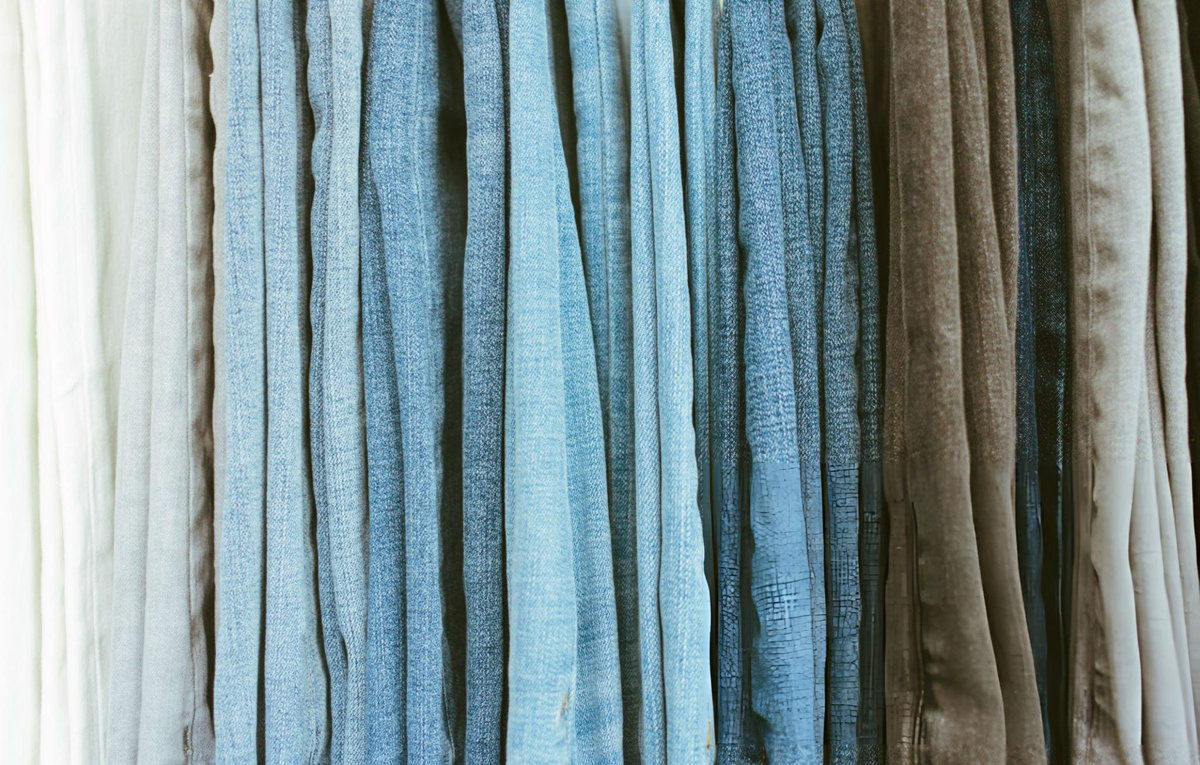
The fashion industry generates enormous waste each year. Clothing production consumes vast resources, and much ends up in landfills far sooner than necessary.
Individual choices might seem insignificant, but collective consumer behaviour shapes market demand. How we buy, care for, and dispose of clothing matters more than we often realise.
Reducing fashion waste doesn’t require dramatic lifestyle changes or sacrificing personal style. Small, consistent adjustments in everyday habits can significantly decrease your contribution to the problem while often saving money and building a wardrobe you genuinely love.
The goal isn’t perfection but progress. Every garment kept in use longer and every impulse purchase avoided represents a meaningful step towards a more sustainable relationship with clothing.
Audit What You Already Own
Before buying anything new, understanding what you currently have provides essential perspective. Many people own far more clothing than they realise, with items forgotten at the back of closets or buried in drawers.
Take time to document your existing wardrobe thoroughly. Photographing your clothing—using a compact camera to create a visual inventory—reveals gaps, redundancies, and forgotten pieces that deserve renewed attention.
Seeing everything you own laid out often reduces the urge to buy more. You may discover you already have multiple items that serve the same purpose or find pieces you’d completely forgotten that still suit your current style.
This audit also identifies items that no longer fit or appeal to you. Rather than letting them languish unused, you can make intentional decisions about repair, donation, or responsible disposal.
Buy Less but Choose Better
The most effective way to reduce fashion waste is simply purchasing fewer items. This requires shifting from quantity-focused shopping to quality-focused selection.
Before any purchase, ask whether you genuinely need the item or merely want it momentarily. Consider how many times you’ll realistically wear it and whether it coordinates with clothing you already own. These questions interrupt the impulse patterns that lead to regret.
When you do buy, prioritise durability over price alone. Well-constructed garments from quality materials last years longer than cheap alternatives, making them more economical despite higher upfront costs.
Pay attention to timeless styles rather than chasing every trend. Classic pieces remain wearable for years, while highly trendy items often feel dated within a single season.
Extend the Life of Your Clothing
Proper care dramatically extends how long garments remain wearable. Many clothes end up discarded because they’ve been damaged by improper washing, drying, or storage.
Read care labels and follow their instructions. Washing clothes less frequently reduces wear on fabrics. Cold water washing and air drying preserve garments better than hot water and machine drying.
Learn basic repair skills or find a reliable tailor. Replacing buttons, fixing tears, and hemming trousers takes clothing from unwearable back to rotation.
Explore Secondhand and Circular Options
Buying used clothing keeps garments in circulation longer and reduces demand for new production. Thrift stores, consignment shops, and online resale platforms offer extensive options at every price point.
Secondhand shopping requires patience but rewards it with unique finds and significant savings. Vintage pieces often feature superior construction quality.
Clothing swaps with friends offer another circular option. Items that no longer excite you might perfectly suit someone else, and vice versa. These exchanges refresh wardrobes without any new production.
Resist Marketing Pressure
The fashion industry spends enormously on convincing consumers they need more clothing. Recognising and resisting these tactics helps break the cycle of overconsumption.
Unsubscribe from promotional emails that create artificial urgency around sales. Unfollow social media accounts that constantly trigger purchase desires. These small steps reduce the daily barrage of messages telling you what you have isn’t enough.
When you feel the urge to shop, pause before acting. Often the desire passes within hours or days, revealing it as emotional rather than practical. Finding other ways to address boredom, stress, or the desire for novelty breaks shopping’s hold as a coping mechanism.
A Wardrobe that Reflects Your Values
Reducing fashion waste ultimately aligns how you dress with what you believe. Most people care about environmental responsibility but find their habits disconnected from their values.
Closing this gap creates satisfaction beyond the environmental benefits. A thoughtfully curated wardrobe of quality pieces you genuinely love simplifies daily dressing while expressing who you actually are.
The shift from mindless consumption to intentional selection transforms your relationship with clothing into something more meaningful and far less wasteful.