
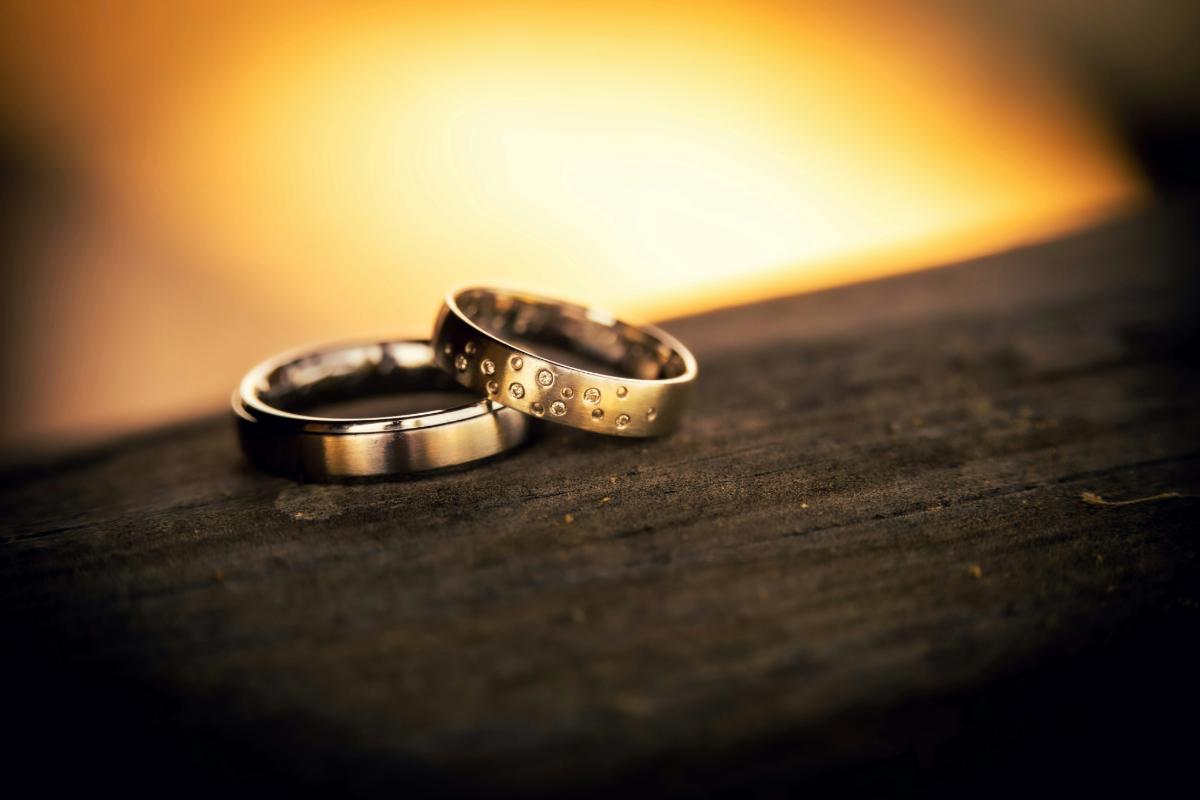
The exchange of wedding bands marks more than a ceremonial tradition—it represents a lifetime promise, captured in a small yet significant piece of jewellery. Matching wedding bands are a beautiful symbol of unity and shared purpose, chosen by couples who want to showcase the strength of their connection. But whilst the idea of having coordinating rings sounds romantic, there’s more to it than just picking identical designs. The process involves thoughtful reflection, as the right bands should honour both your individual preferences and your collective bond.
Personal Style Compatibility
Finding rings that mirror your connection doesn’t mean you need to wear identical bands. Instead, think of “matching” as a shared theme rather than a carbon copy. One partner might gravitate towards a brushed finish, whilst the other prefers polished or hammered textures. Some might desire embellishments like small diamonds or mixed metals, whilst others seek simplicity.
Fortunately, modern jewellers understand this balance and often design complementary collections that feature unified aesthetics with slight variations. Whether it’s matching the metal type, engraving motif, or width of the band, these details can align your rings whilst leaving room for individual flair. This way, your bands remain deeply personal and visually cohesive at once.
Lifestyle and Daily Wear
Wedding bands are not just ceremonial pieces—they become everyday companions. From typing on a keyboard to lifting weights or doing garden work, your ring will endure daily wear and tear. Couples should assess how their lifestyles will influence their ring choices, especially in terms of durability and comfort.
If your job is hands-on or physically demanding, durability becomes crucial. In such cases, materials like tungsten, titanium, or even silicone might be preferable for their resistance to scratches and pressure. If you’re often at formal events or work in a corporate setting, sleeker, more polished bands in white gold or platinum might align better with your environment. Think about how wearing a ring might feel throughout the day. The right ring will feel like a natural extension of yourself, not an obligation or inconvenience.
Metal Choices and Their Meanings
The metal you choose isn’t just about aesthetics—it shapes the entire identity and symbolism of the ring. Yellow gold, often associated with timelessness and tradition, continues to be a favourite for its warm glow. White gold, on the other hand, offers a cooler, more modern tone that pairs well with platinum for a refined look.
Platinum is known for its strength and purity, making it an excellent choice for couples who want a ring that endures both physically and symbolically. Rose gold has surged in popularity for its romantic hue, which feels soft and elegant whilst still offering durability.
Beyond appearance, each metal comes with different maintenance requirements. For example, white gold may need periodic replating to retain its colour, whilst platinum develops a patina that some find appealing over time. Weighing visual appeal against upkeep can help you make a more informed decision.
Budget Planning
Whilst wedding rings are lifelong investments, setting a realistic and shared budget can ease unnecessary pressure. Matching bands don’t need to be lavish or covered in gemstones to hold emotional value. Instead, the thought, craftsmanship, and sentiment behind them make them priceless.
Costs vary widely depending on the metal, design complexity, customisation, and whether gemstones are included. A platinum band with diamonds will naturally cost more than a simple gold ring. It’s also important to account for additional services like engraving or resizing, which can increase the final price.
Some jewellers offer package deals or discounts for buying a pair of rings together, which can be helpful when planning expenses. Prioritise what matters most to you—whether it’s the material, the design, or the story behind the piece—and allocate your budget accordingly.
Customisation and Engraving Options
The opportunity to personalise your wedding bands is one of the most meaningful aspects of ring shopping. Customisation transforms a beautiful band into something uniquely yours. Engraving your wedding date, initials, or a phrase that holds personal significance adds a deeply emotional layer to the jewellery.
Modern technology also allows for more creative ideas. Some couples choose to inscribe a heartbeat line, fingerprint, or the coordinates of where they met. Others embed subtle design cues like a hidden gemstone on the inner side of the band or create matching patterns that align when the rings are placed side by side.
Such details may not be visible to everyone else, but they speak directly to your relationship’s narrative. These intimate touches turn an already cherished piece into a private token of love.
Ring Sizing and Comfort Fit
Sizing is more than a quick measurement—it’s essential to long-term comfort. Fingers can fluctuate in size depending on the season, time of day, or activity level, making proper sizing a little more nuanced than it seems.
Visiting a professional jeweller for accurate sizing is the best approach. Many jewellers offer “comfort fit” bands that feature a slightly rounded inner edge, allowing for easier wear and removal without compromising stability. This is especially helpful for wider bands or heavier metals, which may feel more snug without this feature.
Don’t forget to test the ring at different times of day or after various activities to ensure it maintains comfort under all conditions. A properly fitted band shouldn’t pinch or slide off unexpectedly—it should rest naturally on the finger without constant awareness.
Ethical Sourcing and Sustainability
Conscious consumerism plays an increasingly important role in wedding planning. Many couples now look beyond aesthetics and cost to consider where and how their rings are made. Choosing ethically sourced materials and conflict-free diamonds supports responsible practices and reflects values like transparency and respect for people and the planet.
Some jewellers specialise in recycled metals or lab-grown diamonds, which offer the same beauty and durability as their natural counterparts but come with a lower environmental impact. Others partner with organisations to ensure their supply chains follow strict labour and ecological standards.
Opting for an ethically produced ring allows you to celebrate your union whilst contributing to a more equitable world. It’s a beautiful way to ensure that your ring symbolises love not only between you two but towards humanity as a whole.
Future-Proofing Your Bands
As time passes, your personal style or ring size may change, and your band should be able to adapt with you. Choosing designs that can be resized, upgraded, or enhanced later gives your ring flexibility that aligns with life’s unpredictability.
Some couples begin with simple bands and later add stones or redesign the ring to mark milestones like anniversaries or the birth of a child. If this is a possibility for you, discuss it upfront with your jeweller. Ask whether the ring design allows for resizing or future customisation.
Conclusion
Matching wedding bands are far more than coordinating pieces of jewellery—they’re daily expressions of your love, values, and life together. The ideal pair should be visually harmonious, emotionally significant, and practical for everyday wear. When thoughtfully selected, these rings become cherished symbols that evolve with your relationship, marking not just your wedding day but every moment that follows.