
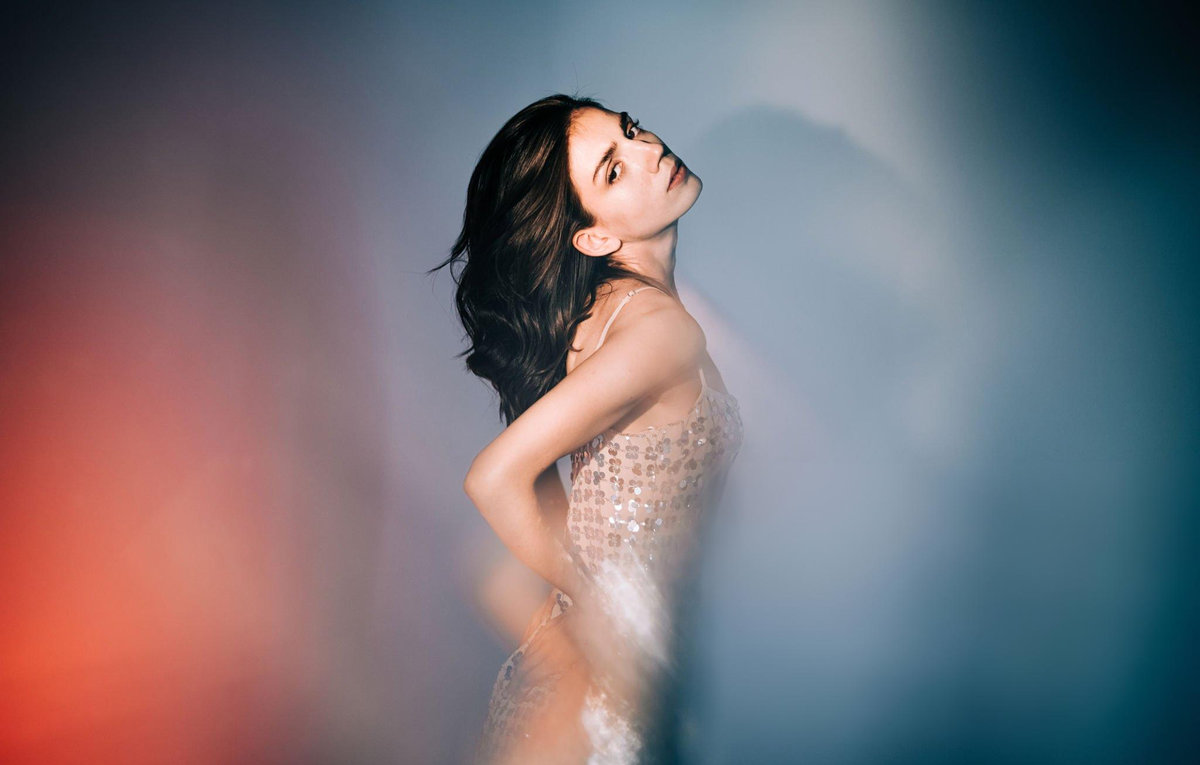
Modern style is increasingly shaped by how things look in motion rather than at rest. Light, shadow and proportion now play a central role in defining what feels contemporary, influencing everything from clothing silhouettes to accessories and visual storytelling. Instead of relying on embellishment, designers are allowing form itself to create impact.
This shift reflects a broader move toward visual clarity. In a culture saturated with imagery, shapes that interact beautifully with light feel more compelling than those that rely on detail alone. Clean lines, elongated proportions and reflective surfaces allow style to communicate without excess.
In fashion, this is evident in the return of fluid tailoring and softly structured garments. Fabrics are chosen not only for texture but for how they respond to movement. Light glides across surfaces, creating depth through simplicity rather than decoration.
Accessories have followed the same trajectory. Rather than serving as focal points, they often work in harmony with the overall look. Shape and finish matter more than ornamentation, supporting an aesthetic that feels cohesive rather than layered.
This emphasis on light has also influenced how fashion is presented. Editorial imagery now favours natural lighting, open compositions and subtle contrasts. The goal is not to overwhelm the viewer, but to invite attention through ease and balance.
Across creative disciplines, shape has become a primary design language. Rounded edges, elongated forms and gentle angles appear repeatedly, offering softness without sacrificing structure. These forms feel modern because they are adaptable. They work across styles and contexts without feeling tied to a single trend.
In style discussions, references to oval cut engagement rings occasionally surface as examples of how light and shape interact in visually striking ways. The appeal is rooted in proportion and reflection, highlighting how form alone can create presence without relying on embellishment. Within a fashion context, this reflects a wider appreciation for pieces that feel luminous rather than ornate.
What makes this approach so relevant now is its versatility. Shapes that respond well to light tend to photograph beautifully and translate seamlessly between physical and digital spaces. This is particularly important in a world where fashion is experienced as much through screens as in real life.
Designers are increasingly mindful of how pieces appear from multiple angles. Movement matters. Light should enhance rather than flatten. This awareness encourages forms that feel alive, changing subtly depending on perspective and environment.
This evolution has also influenced colour choices. Neutral palettes and soft metallic tones complement light-responsive shapes, allowing surfaces to glow rather than shine. The result feels refined and contemporary.
In fashion culture, this creates a sense of quiet confidence. Style no longer needs to announce itself loudly. Instead, it reveals itself through interaction with light, space and movement.
The influence of architecture and interior design is clear here. Open spaces, curved structures and reflective materials all inform modern fashion aesthetics. These disciplines share a focus on how light moves through form, shaping experience rather than simply appearance.
This cross-disciplinary influence encourages a more thoughtful approach to style. Instead of treating clothing and accessories as isolated elements, they are considered part of a visual ecosystem. Each piece contributes to an overall impression rather than competing for attention.
Fashion editorials have embraced this mindset. Styling feels intentional but effortless. Shapes are allowed to speak, and light becomes an active participant in the narrative. This creates imagery that feels timeless rather than trend-driven.
The appeal of this approach lies in its longevity. Shapes that interact gracefully with light tend to age well. They adapt to changing contexts without losing relevance. This makes them appealing to a culture increasingly interested in lasting style rather than fleeting moments.
There is also an emotional quality to light-led design. Soft reflections and gentle contrasts create a sense of warmth and openness. Style becomes inviting rather than imposing.
As audiences grow more visually literate, these subtleties are increasingly appreciated. People respond to how a piece makes them feel, not just how it looks in isolation. Light and shape work together to create that response.
Modern style, at its best, feels intuitive. It does not demand explanation. It simply works. Forms that are balanced and light-responsive contribute to this ease, supporting expression without distraction.
This does not signal a loss of creativity. On the contrary, it opens new avenues for exploration. Designers experiment with proportion, surface and movement, using light as a tool rather than an afterthought.
As fashion continues to evolve, the relationship between light and shape will likely remain central. It offers a way to innovate without excess, to create impact through restraint.
In an era defined by visual overload, this approach feels refreshing. It allows style to breathe, inviting engagement rather than insisting on it.
Ultimately, modern style is becoming less about accumulation and more about intention. Light and shape provide a shared language across fashion, design and culture, shaping an aesthetic that feels current yet enduring.
And as this language continues to develop, it is clear that how something catches the light can be just as important as what it is.