
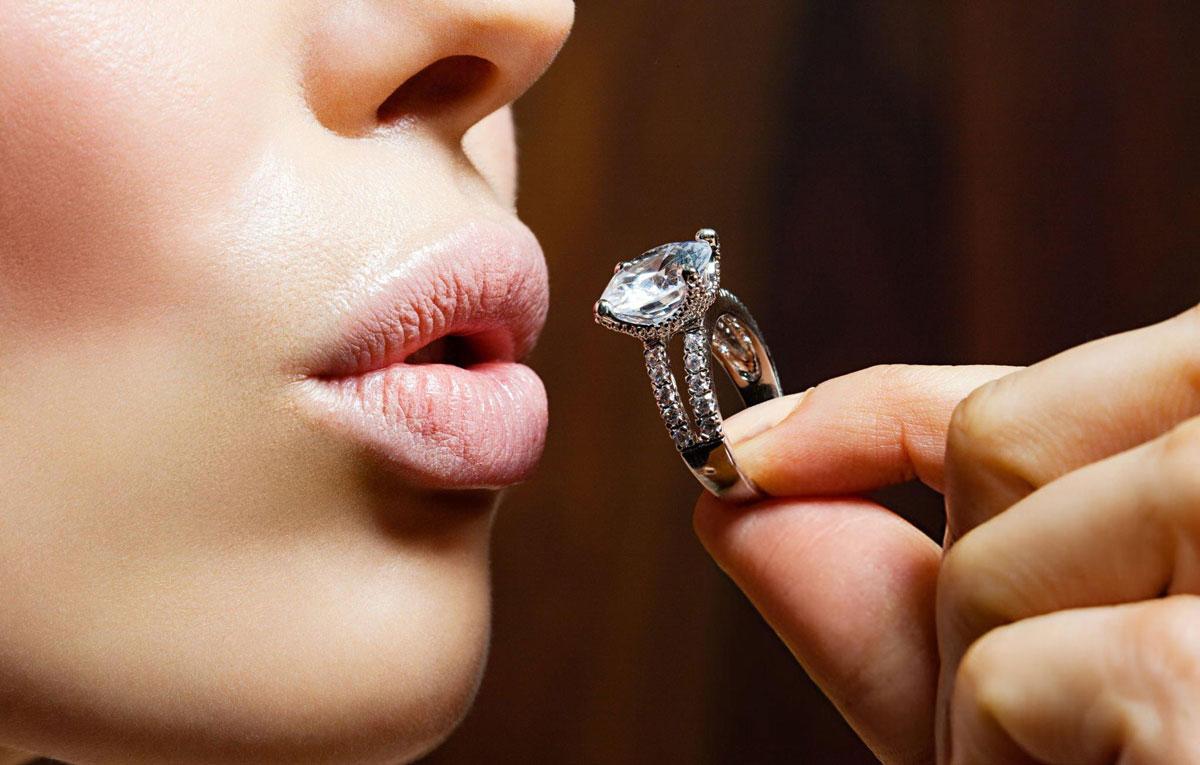
In recent years, laboratory-grown diamonds have been making a big splash in the jewellery market. They offer consumers an ethical and environmentally friendly alternative to traditionally mined diamonds. Thanks to technological advances, lab diamonds are almost indistinguishable from natural diamonds in both appearance and physical properties.
In this article, we explain the key differences between natural and lab-grown diamonds, the environmental and ethical benefits of choosing a lab-grown diamond, and the pros and cons of each option.
Differences Between Natural and Lab-Grown Diamonds
At first glance, a lab-grown diamond looks exactly like a natural diamond. Both consist of carbon atoms arranged in a crystal lattice structure. The difference lies in the process by which they are produced.
- Natural diamonds were formed over billions of years deep in the earth’s mantle under extreme pressure and heat. These diamonds are brought to the surface by volcanic eruptions and mined using complex, often destructive methods that can cause environmental damage.
- Lab-grown diamonds, on the other hand, are produced within weeks or months in a controlled laboratory environment. There are two main methods for producing lab-grown diamonds: High Pressure High Temperature (HPHT) and Chemical Vapour Deposition (CVD). Both methods mimic the natural conditions under which diamonds are formed, but in a fraction of the time and without the need to mine the earth.
Although they are physically and chemically the same, natural diamonds are often considered rarer because they are created over a longer period of time, whereas lab-grown diamonds can be produced on a large scale.
Environmental and Ethical Benefits of Choosing Lab-Grown Diamonds
One of the most important advantages of lab-grown diamonds is their positive impact on the environment. Diamond mining, especially in certain regions, has been linked to habitat destruction, deforestation and soil erosion. In addition, mining often uses large amounts of water and energy, which can contribute to environmental degradation.
In contrast, lab-grown diamonds require much less energy and water, making them an environmentally friendly option. Furthermore, as they are produced in a controlled environment, there is no need to destroy ecosystems and the carbon footprint is significantly reduced.
Another important advantage of lab-grown diamonds is their ethical significance. The diamond industry has long been associated with human rights abuses, particularly in conflict zones where diamonds are mined by labourers under exploitative conditions. These ‘blood diamonds’ have been used to fund wars and violence, and labour exploitation in mining remains a problem in many parts of the world.
Lab-grown diamonds are free from these ethical concerns because they are produced in a controlled, transparent environment. Consumers who are concerned about the origin of their diamond can be assured that their purchase does not contribute to human rights abuses when they choose a lab-grown diamond.
Pros and Cons of Lab-Grown Diamonds Versus Traditional Options
When it comes to making a decision between lab-grown and natural diamonds, there are several factors to consider. Each option has its pros and cons, depending on the consumer’s values and priorities.
Pros of Lab-Grown Diamonds:
- Affordability: Lab-grown diamonds are generally cheaper than natural diamonds. Because they are produced in a lab and not mined from the earth, they can be produced at a lower cost. Consumers can often buy a larger or higher quality diamond for the same price as a smaller, lower quality natural diamond.
- Ecological and ethical benefits: As mentioned above, lab-grown diamonds have a significantly lower environmental impact and are not associated with unethical mining practises. For consumers who value sustainability and ethical sourcing, lab-grown diamonds are a compelling choice.
- Quality control: Lab-grown diamonds are produced in a controlled environment, which means that the quality of each stone can be closely monitored. The result is often a diamond with fewer inclusions and blemishes than a natural diamond, offering a higher level of clarity.
- Same appearance: Lab-grown diamonds look and feel exactly like natural diamonds to the naked eye. They have the same lustre, the same hardness and the same durability. This makes them a good choice for anyone who wants the look of a traditional diamond without the high price tag.
Cons of Lab-Grown Diamonds:
- Perceived value: Some people still perceive natural diamonds as more valuable because of their rarity and the traditional meaning associated with them. Lab-grown diamonds may not have the same long-term value, especially in resale markets, but this may change as consumer attitudes change.
- Limited history and tradition: Natural diamonds have been a symbol of love and devotion for centuries, and they carry a sense of history and tradition that a lab-grown diamond simply cannot replicate. For some, this deep connection to tradition is the reason why natural diamonds are the preferred choice.
- Reduced rarity: Lab-grown diamonds can be produced in large quantities, which can reduce their rarity and exclusivity compared to natural diamonds. For those who value the uniqueness of a diamond, this can be a disadvantage.
Pros of Natural Diamonds:
- Rarity and value: Natural diamonds are rare, and their value often depends on their rarity and the difficulty of their extraction. Therefore, they retain their value better over time, especially if they are of high quality.
- Historical significance: Natural diamonds have a long history and are often considered more significant due to their natural origin. They are associated with timeless traditions such as engagements and weddings, making them an emotionally significant purchase for many people.
- Prestige: There is a certain prestige associated with owning a natural diamond, particularly among those who value exclusivity and luxury. The fact that natural diamonds are seen as a finite resource makes them a symbol of wealth and status for some consumers.
Cons of Natural Diamonds:
- Ecological and ethical concerns: As already mentioned, the mining of natural diamonds can cause considerable ecological and ethical problems. The mining process can damage ecosystems and involve the exploitation of labour, which can deter environmentally and socially conscious consumers.
- Higher costs: Natural diamonds are generally more expensive, as a lot of time, labour and resources are required to extract them. For consumers on a budget, a natural diamond can therefore be less affordable than a lab-grown diamond.
Conclusion
Lab-grown diamonds offer a compelling alternative to conventional diamonds, combining beauty, affordability and ethical provenance. They may not have the same historical significance or rarity as natural diamonds, but their environmental and ethical benefits are clear.
Ultimately, the decision between a lab-grown diamond and a natural diamond depends on what is most important to the individual consumer — whether it is tradition, sustainability or the value of the stone itself. If consumer awareness of the benefits of lab-grown diamonds continues to grow, these stones could become mainstream in the coming years and transform the diamond industry.