
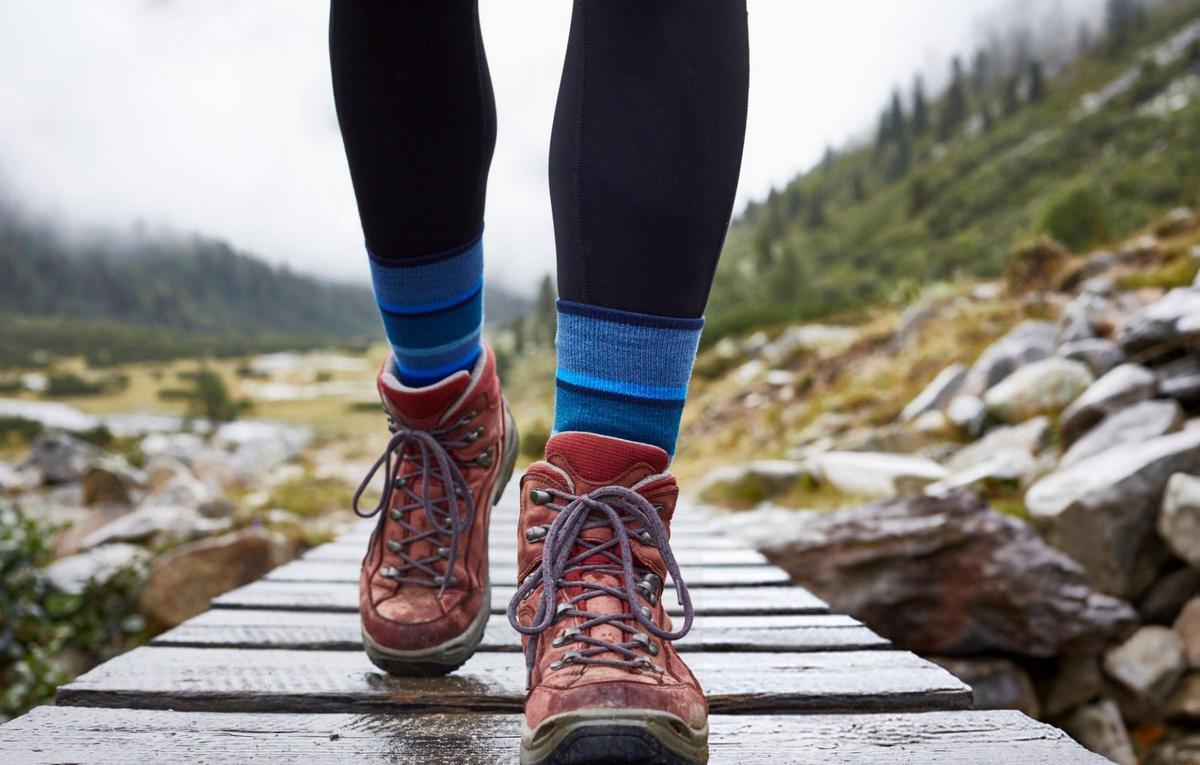
In terms of travel experiences, it is hard to beat a walking holiday. Walking holidays allow you to explore new areas, be active, enjoy time in nature, and fully immerse yourself in the destination. These travel experiences can be incredibly rewarding and memorable, but you need to make sure that you are fully prepared, as they are unlike traditional holidays and require careful planning. Whether you’re considering a gentle countryside ramble or a challenging mountain trek, proper preparation is the foundation of any successful walking adventure.
Planning Your Route & Timing
First, you need to plan your route carefully, taking into account both the experience level and fitness of your group. It is essential that you consider the fitness levels of your group and choose something suitable, whether this is a multi-day trail like Hadrian’s Wall or a short coastal ramble. Research the terrain, elevation changes, and daily distances to ensure they align with your capabilities.
There has been recent interest in the South West Coast Path thanks to the new film Salt Path starring Gillian Anderson, which may draw more walkers to areas like Dorset, Devon, Cornwall, and Somerset. Consider seasonal factors when planning your timing – spring and autumn often provide ideal walking conditions with moderate temperatures and fewer crowds, while summer offers longer daylight hours but busier trails.
Packing Appropriate Clothing & Gear
It is vital that you have the right clothing and gear before setting off, particularly if travelling to remote areas where it might be hard to get supplies. In terms of clothing, you need to have high-quality items, including moisture-wicking layers, a waterproof jacket, and sturdy boots. The layering system is crucial – base layers should wick moisture away from your skin, while mid-layers provide insulation, and outer layers protect against wind and rain.
Footwear is particularly important as you will be covering a lot of ground, so fit and ankle support are key. You can find high-quality footwear by searching online, such as hiking boots for women. Women’s hiking boots should offer proper arch support, adequate toe room, and reliable grip on various terrains. When selecting women’s walking boots, consider factors like waterproofing, breathability, and the specific demands of your chosen route. Be sure to read reviews and buy from a reputable brand, and always break in new boots well before your trip to avoid blisters and discomfort.
You must also pack gaiters to keep debris out of your boots, trekking poles for stability and reduced joint impact, and a light rucksack to carry essential supplies. Don’t forget moisture-wicking socks, blister plasters, and spare clothing in waterproof bags.
Physical Preparation & Training
Walking holidays can be physically demanding, so you need to prepare for this with training before the trip. This means gradually increasing walking distance and elevation before the holiday, including hill training if you will be visiting a hilly area. Start your training regimen at least 6-8 weeks before departure, beginning with shorter walks and progressively building endurance.
UK adults are increasingly drawn to walking holidays, with 19% having tried one previously, and 9 in 10 UK adults showing interest, so now is a great time to book one. Incorporate strength training exercises that target your legs, core, and ankles to improve stability and reduce injury risk. Practice walking with a loaded backpack to simulate holiday conditions.
Navigation, Safety & First Aid
Even if following a well-established walking path, you must still have strong map-reading and compass skills. You can use Ordnance Survey maps in the UK and a physical compass or a GPS app to help with navigation. However, never rely solely on electronic devices – batteries can fail and signals can be lost in remote areas.
Additionally, be sure to plan for variable British weather and carry a comprehensive first-aid kit and emergency whistle. Inform someone of your planned route and expected return time, especially for solo walks. Consider carrying a personal locator beacon for remote areas, and ensure you know how to use all your safety equipment before setting off.
Booking Accommodation & Logistics
Finally, you need to book your accommodation in advance, whether a campsite, glamping pod, bothy, or anything else. There is a growing trend of “twin-centre” walking holidays, which are those with two bases to reduce packing and moving. This approach allows you to explore different areas while maintaining comfortable, familiar accommodation.
Research accommodation options thoroughly – some walking routes offer baggage transfer services, allowing you to walk with just a day pack while your main luggage is transported ahead. You may also want to look into public transport links for start/finish points and luggage transfers. Consider booking accommodations that cater specifically to walkers, as they often provide early breakfasts, packed lunches, and gear drying facilities.
Plan your meals and hydration strategy in advance, identifying refill points for water and opportunities to restock supplies. Some remote routes may require you to carry multiple days’ worth of food and water.
A walking holiday can be an enriching and rewarding travel experience, but these trips differ from your typical holiday. The advice in this post should help you prepare for a fun, memorable, safe, and rewarding walking holiday. With proper preparation, your walking adventure will provide lasting memories and perhaps inspire many more outdoor explorations to come.