
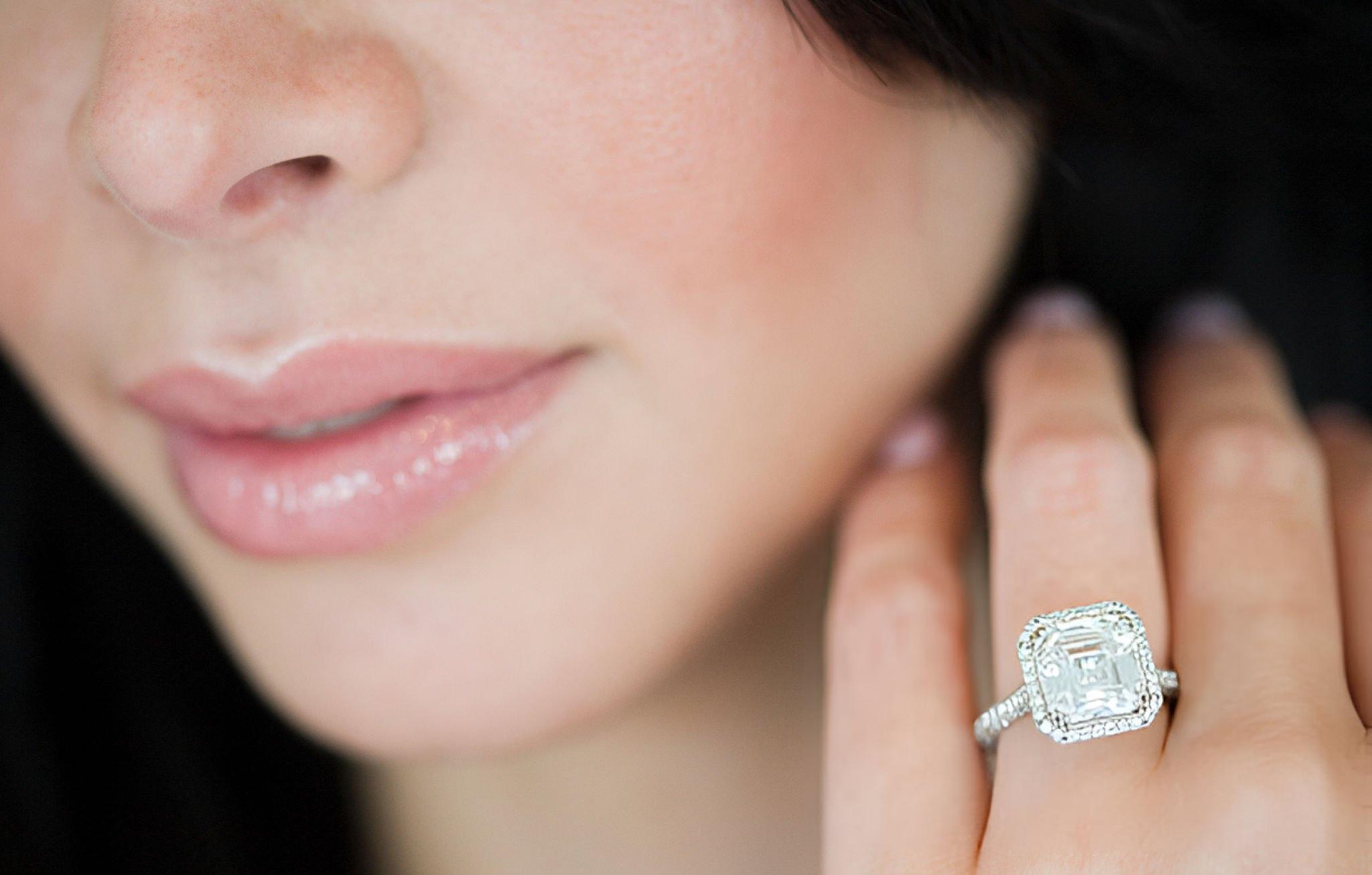
Selecting an engagement ring can feel personal. Your hand shape plays a role in deciding which ring style may work best for you. This article focuses on key features of your hands and matches them with different ring designs.
Start with Finger Length
If you have long fingers, there are many options that can work with your hand. Rings with bold, prominent stones can look balanced. Princess and cushion-shaped stones are popular for those who want to highlight length. Thicker bands work here as well since they do not overcrowd your finger.
Short fingers benefit from rings that pull the eye upward. Slender bands and shapes with more length, such as oval or marquise, create the illusion of longer fingers. Small stones set higher above the band also contribute to this effect.
Focus on Hand Width and Size
People with wide fingers can look for rings that add visual length. Wider bands may suit these hands, especially when paired with rectangular or elongated shapes. Narrow fingers fit best with smaller settings, and thinner bands will not overwhelm your hand.
Small hands call for proportionate rings. Delicate bands with petite stones look natural. Large hands allow for bolder choices, such as thick bands and bigger stones, without appearing too flashy.
How Ring Shapes Interact with Hand Features
Selecting a shape can change how your hand looks. Rings with oval or marquise stones can make fingers appear longer. On the other hand, round stones suit people who want a classic touch without changing the appearance of their hands too much.
People with wide fingers might like a pear-shaped or emerald cut engagement ring, as these styles can make fingers seem slimmer. Rectangular and elongated shapes pull the eye vertically, which helps balance out wider hands. Round and heart shapes work best on narrow fingers where subtlety works in their favor.
Band Thickness and Details
Band width changes the ring’s effect on your hand. Narrow bands highlight delicate fingers and keep the focus on the stone. Wider bands balance larger hands or long fingers. Many people try rings with small side stones or halos, which can add substance without making the ring bulky.
Some rings include thin rows of accent stones along the band. This detail can make the ring seem more delicate or more substantial, depending on your hand type.
Stone Setting Height
High settings display the stone above the finger and add visual height. They can make a small or slim hand look longer. Low-profile settings keep the stone closer to the finger. These work for people who use their hands often and want to avoid snagging.
Matching Your Skin Tone and Style
The metal color of the band can highlight your skin tone. Pale metals, such as white gold or platinum, brighten cooler tones. Yellow or rose metals can match warm tones. The difference is subtle, but it adds a touch of harmony between the ring and your hand.
Your personal style matters as well. Some prefer simple designs, while others enjoy ornate details. There is no formula for style, but the overall fit and comfort of the ring help it feel like yours.
Final Steps: Try Rings On in Person
Trying on rings in person gives the most accurate impression. Photos can mislead you when it comes to size and how the ring fits on your finger. Fitting rooms in jewelry stores provide different lighting, which is important for seeing how a stone looks in real environments.
Compare different shapes and sizes. Ask for guidance if you feel uncertain about proportion. Hold your hand at a normal angle and from different views to see how the ring blends with your hand features.
Conclusion
The fit of an engagement ring depends on matching the stone shape, band thickness, and style to your hand type. Small changes in shape and setting affect the appearance of your fingers. Try different rings before choosing. Focus on proportion and comfort rather than trend. The right ring for your hand will look balanced and feel personal to you.