
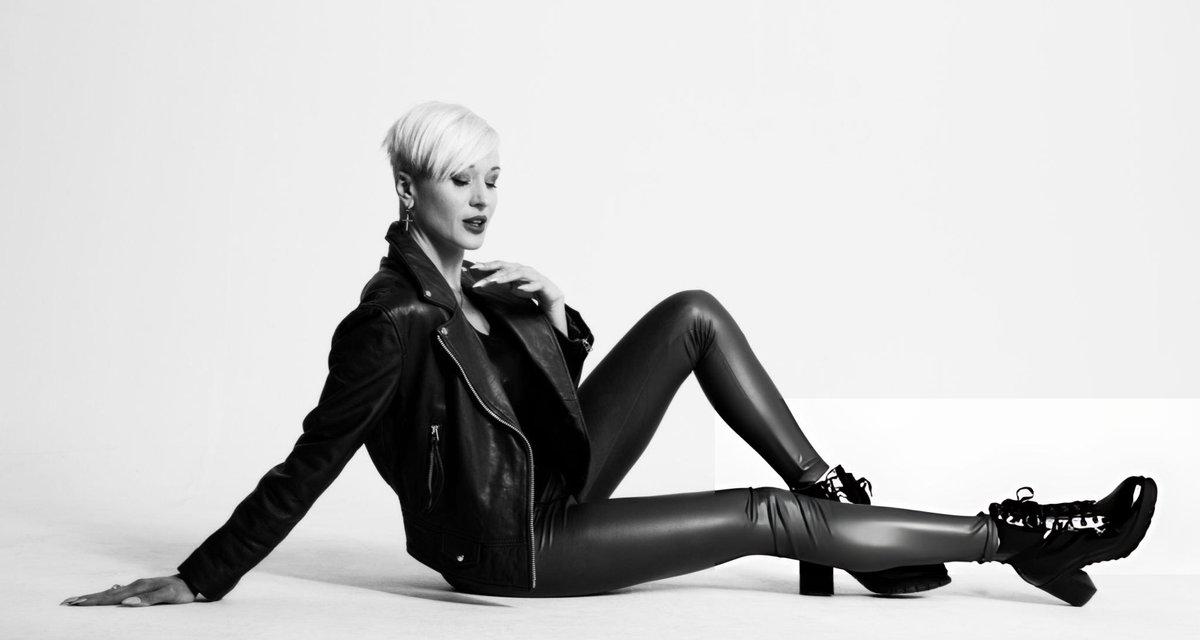
Few fashion items carry as much symbolic weight as goth boots. Instantly recognisable through their heavy soles, dark materials and imposing silhouettes, they stand apart from conventional footwear. From the outside, they may appear purely aesthetic or provocative, but within alternative fashion, goth boots have long represented something deeper. They are not simply worn for style, they are worn as a statement.
Goth boots emerged as a visual language of refusal. Refusal of mainstream beauty standards, refusal of soft or decorative fashion expectations, and refusal of passive self-presentation. Over time, they became one of the most enduring symbols of rebellion within alternative fashion, carrying cultural, psychological and social meaning far beyond their function.
Where Goth Boots Come From
The roots of goth boots can be traced back to the late 1970s and early 1980s, during a period marked by social tension, political unrest and the rise of underground subcultures. Punk fashion laid much of the groundwork, with its aggressive rejection of polished aesthetics and its embrace of utilitarian clothing such as combat boots and workwear.
Military surplus boots, industrial footwear and heavy leather shoes were readily available, affordable and durable. More importantly, they symbolised opposition to authority when repurposed outside their original context. As post-punk and early goth scenes developed, these boots naturally transitioned into darker, more theatrical forms, aligning with music that explored melancholy, alienation and existential themes.
For early goth communities, wearing heavy boots was not about following a trend. It was about visibly separating from dominant fashion narratives and embracing an aesthetic rooted in discomfort, darkness and emotional intensity.
Goth Boots as a Visual Weapon
One of the defining characteristics of a pair of goth boots is their physical presence. Thick soles, platform constructions, reinforced leather and metal hardware create a sense of weight and permanence. These design choices are not incidental, they actively shape how the wearer moves, stands and is perceived.
Goth boots function almost like armour. They elevate the body, alter posture and project strength. In crowded urban spaces or underground venues, they create distance, both physical and symbolic. The wearer appears grounded, deliberate and unapproachable, a sharp contrast to fashion designed to please or attract.
Psychologically, this effect reinforces a sense of control. Goth boots allow individuals to reclaim space and presence in environments that often feel hostile or judgemental. The footwear becomes a tool for self-protection and self-definition, reinforcing the idea that rebellion can be communicated without words.
Subculture, Music and Collective Identity
Alternative fashion does not develop in isolation. Goth boots gained their meaning through collective spaces such as clubs, concerts and underground gatherings. These environments acted as incubators where shared aesthetics formed organically, without formal rules or mainstream validation.
Music played a central role in shaping this visual identity. Goth, darkwave and industrial scenes emphasised atmosphere, intensity and emotional depth. The heavy, grounded nature of goth boots visually echoed the soundscapes of these genres. Over time, the boots became part of an unspoken uniform, signalling belonging whilst reinforcing separation from the outside world.
Wearing goth boots within these spaces was a way to participate in a shared language. It allowed individuals to recognise one another, form connections and reinforce collective identity without overt symbols or slogans.
Breaking Norms: Gender, Power and Androgyny
Long before gender fluidity became part of mainstream fashion discourse, goth boots played a quiet but significant role in challenging traditional gender norms. Their silhouettes were deliberately ungendered, prioritising strength and presence over conventionally masculine or feminine traits.
Platform soles and oversised proportions acted as visual equalisers. They disrupted expectations around height, delicacy and body shape. In doing so, they allowed wearers to explore identity beyond rigid categories, using footwear as a foundation for self-expression.
This rejection of gendered fashion standards was not performative. It emerged naturally from a culture that valued authenticity over conformity. Goth boots became symbols of autonomy, allowing individuals to define themselves on their own terms, without external validation.
Why Goth Boots Still Represent Rebellion Today
Despite their increasing visibility in contemporary fashion, goth boots have not lost their symbolic power. Their resilience lies in the fact that they were never built on trends. They were built on meaning, identity and resistance.
Modern interpretations may experiment with new materials or styling contexts, but the core message remains intact. Goth boots continue to represent refusal, individuality and emotional honesty in a fashion landscape often driven by speed and surface-level appeal.
Ultimately, goth boots endure because rebellion itself never goes out of style. As long as people seek ways to express distance from dominant norms and assert control over their own image, these boots will remain relevant. From the ground up, they continue to carry a legacy of defiance that few fashion items can match.