
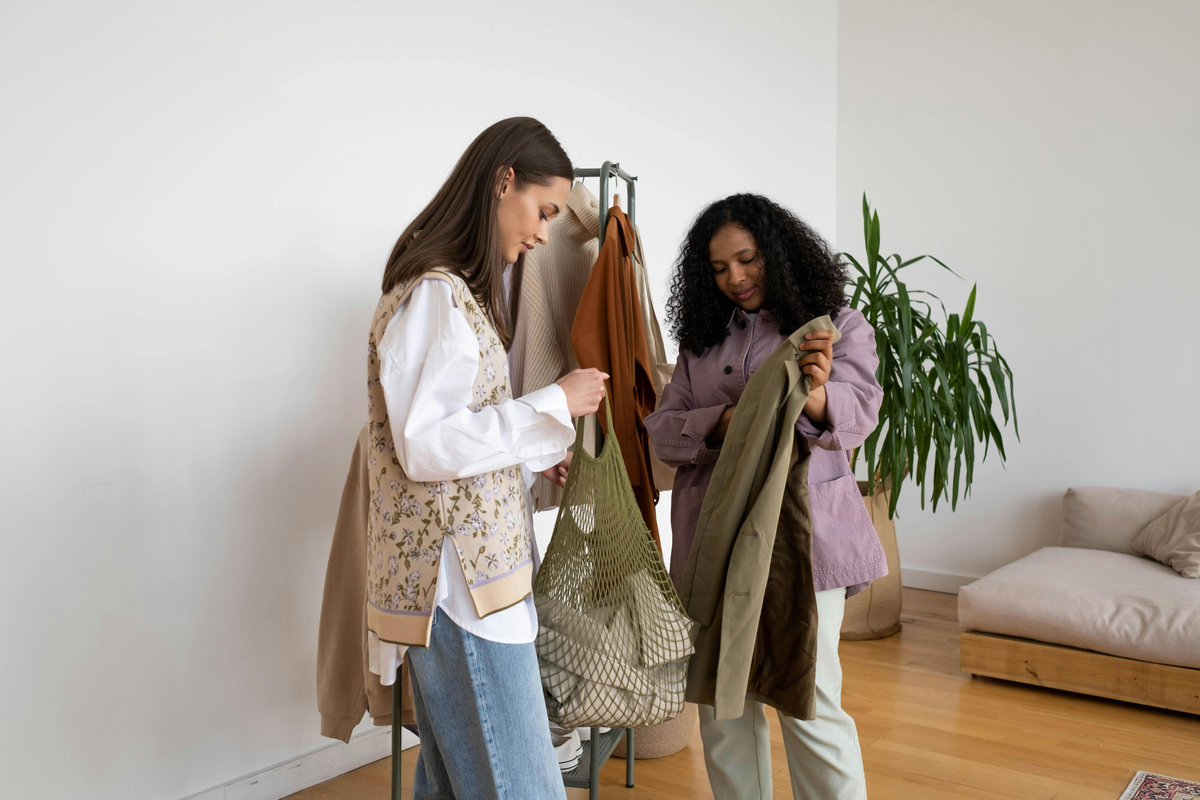
Walk into a university dormitory in 2026 to find shipping stations competing with study desks. Students are trading minimum-wage mall shifts for a new micro-economy known as the “Thrift Flip.” Platforms like Depop, Vinted, and Grailed allow Gen Z students to become the supply chain, generating profit margins that rival major retailers.
This shift represents a complete change in retail psychology. Fast fashion relies on volume and obsolescence. The student-led resale market thrives on scarcity and sustainability. For many ambitious students, the dorm room has become a boutique warehouse. The pressure to maintain strong grades while running an e-commerce business is considerable, and many turn to highly reputable writing services to manage their academic workload alongside their business. This balancing act highlights the lucrative nature of these ventures — for the savvy student reseller, time spent away from sourcing is time measured in unsold inventory.
The Economics of Scarcity and “The Drop”
Why are students succeeding where traditional retail is struggling? The reason is the “drop” model and micro-trend curation. Fast fashion brands chase trends while student resellers create them. A 19-year-old with a keen eye can spot a specific aesthetic like “Bloke Core” or “Y2K Fairy Grunge” and curate a collection from local charity shops before big brands can even sketch a design.
According to the annual thredUP Resale Report, the global secondhand market is expected to nearly double by 2027 to reach $350 billion. Gen Z is the primary driver of this growth. Depop reinforces this youth dominance: 90% of its active users are under the age of 26. A garment usually loses value the moment it leaves a fast fashion store. Flipped items, by contrast, often gain value through context and styling.
Students capitalise on three specific economic advantages. Arbitrage allows them to source items from charity shops and bin sales, buying clothing by the pound for under $1 per item and reselling pieces for $40 to $100 based on brand relevance or vintage rarity. Algorithmic mastery gives them reach — Gen Z understands the SEO of fashion and knows exactly which tags will trigger algorithms on resale apps, ensuring their products reach thousands of buyers without spending on traditional advertising. The sustainability premium completes the picture: peers are willing to pay extra for pre-loved items to avoid the guilt associated with buying new or unethical garments.
From Side Hustle to Supply Chain
This is a sophisticated operation rather than a hobby. Successful student sellers essentially run logistics companies, managing inventory, handling customer service, negotiating shipping rates, and acting as their own creative directors.
The barrier to entry is low, but the ceiling is surprisingly high. Top sellers on Depop can pull in six figures annually. This success is disrupting the traditional fashion career path. Why intern for free at a fashion house when you can build a personal brand and a loyal customer base from your bedroom?
To stay competitive, these student entrepreneurs focus on several key areas. Visual merchandising matters: sellers use high-quality lighting and consistent backgrounds, and model the clothes themselves to show fit and movement. Cross-platform listing tools allow them to post a single item across Poshmark, eBay, and Mercari simultaneously to maximise exposure. Customer retention is built through handwritten notes and eco-friendly packaging — a brand experience that fast fashion giants cannot replicate.
The “Thrift Flip” economy signals that the fashion hierarchy is inverting. Gen Z students realise they do not need permission to enter the industry and refuse to rely on the unethical production cycles of fast fashion giants. They value curation over mass production, building a sustainable and personalised future for retail.