
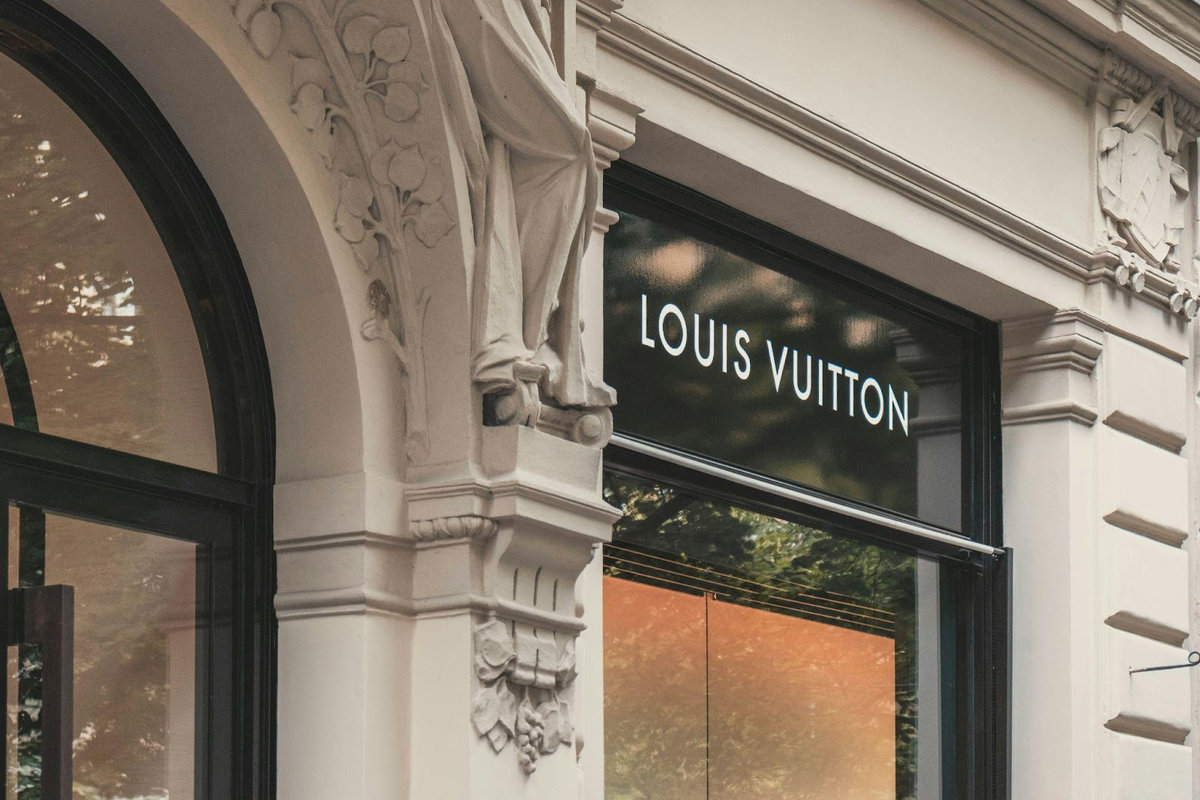
Luxury fashion has always carried an aura of aspiration. From iconic maisons in Paris to exclusive boutiques in London, the industry has thrived on its ability to weave artistry, heritage, and exclusivity into every stitch. Yet, beneath the glamour of haute couture and polished retail storefronts, a quiet revolution is reshaping the workforce of luxury fashion. Today’s emerging professionals are no longer content with prestige alone; they are demanding careers with purpose, sustainability, and meaningful impact.
In London, where luxury fashion continues to flourish as both a cultural and economic driver, agencies such as SJR London stand at the centre of this shift, connecting brands with a new generation of talent whose values are reshaping the very foundations of the industry.
From Prestige to Purpose: A Changing Motivation
For decades, a career in luxury fashion symbolised entry into an elite world. Young professionals were often motivated by the allure of working for heritage houses, handling exquisite products, and serving high-profile clientele. While these elements remain desirable, research shows that the new wave of employees is driven less by brand names and more by a sense of alignment with their own values.
Millennial and Gen Z candidates want to know: What does this company stand for? Does it demonstrate responsibility toward the planet? Does it promote diversity and inclusion? Does it invest in communities, not just profit margins? If the answer is no, even the most prestigious brand risks losing out on top talent.
This isn’t to say prestige no longer matters. But prestige without purpose feels hollow to a generation raised in an era of climate anxiety, social justice movements, and heightened awareness of corporate accountability. For many, choosing an employer is as much a moral decision as a professional one.
The Sustainability Imperative
Few issues highlight this generational divide more than sustainability. Fashion has long been criticised for its environmental impact, and luxury is not exempt. The younger workforce, raised amid climate change debates and global environmental crises, is unwilling to turn a blind eye to the industry’s footprint.
Professionals entering the field increasingly expect their employers to adopt transparent sustainability practices, from sourcing materials responsibly to ensuring fair labour standards across the supply chain. For luxury brands that have built reputations on craftsmanship and rarity, this expectation presents both a challenge and an opportunity. Ethical sourcing and reduced waste can strengthen brand identity rather than dilute it.
This expectation is not just ethical; it is strategic. Employees are keenly aware that consumers, too, are demanding sustainable luxury, meaning that careers aligned with these values are more future-proof. According to a McKinsey report, more than two-thirds of consumers say sustainability considerations factor into their purchasing decisions. The workforce is simply holding employers accountable to this same reality.
For luxury brands, sustainability is no longer a marketing narrative; it is a talent strategy. Those who fail to adapt risk losing both consumers and employees.
Diversity, Equity, and Inclusion
Another defining expectation of next-generation professionals is genuine commitment to diversity and inclusion. Luxury fashion has made strides in diversifying its runways and campaigns, yet the internal workforce, from retail associates to executive teams, still reflects disparities.
The new generation of employees wants to see workplaces where all voices are valued, where leadership reflects the diversity of global consumers, and where inclusivity is more than a marketing slogan. They seek careers where they can contribute to a culture of respect and representation.
Agencies and recruiters play a pivotal role here, ensuring that hiring processes are fair, transparent, and designed to broaden rather than narrow opportunity. For global luxury brands, this also means investing in leadership pipelines that foster diverse talent from entry-level to boardroom.
Beyond Paychecks: The Demand for Growth and Development
Luxury fashion has historically demanded loyalty and long hours, often with little emphasis on structured career progression. That is changing rapidly. Today’s employees expect clear pathways for development, mentorship, and opportunities to expand their skill sets.
This does not mean they are less committed. On the contrary, those who see a future of personal and professional growth within a company are more likely to stay long-term. Brands that prioritise training in areas such as digital retail, sustainability management, and customer engagement are positioning themselves to attract and retain the brightest talent.
In a sector as competitive as luxury, where service quality defines brand reputation, investing in employee development is no longer optional. It is a cornerstone of maintaining prestige in a modern world. Structured learning programmes, leadership development tracks, and partnerships with educational institutions are increasingly seen as differentiators in the battle for talent.
The Digital Edge: Careers That Bridge Tradition and Technology
While luxury is synonymous with heritage, the digital age has redefined what it means to be a successful retailer. From immersive virtual boutiques to AI-driven clienteling tools, technology is reshaping every interaction between brand and consumer.
The next generation of professionals does not view digital as an add-on; it is their native language. They expect to work with employers who embrace digital transformation, not resist it. Careers in digital merchandising, data-driven consumer insights, and tech-integrated sales are growing in demand, and luxury brands must ensure they attract talent capable of bridging old-world craftsmanship with new-world innovation.
Consider, for example, the rise of digital client advisors, who blend traditional styling expertise with data analytics to anticipate customer preferences before they are even articulated. This hybrid role is emblematic of the careers that luxury retailers must now offer if they are to remain competitive in an increasingly connected world.
Work-Life Balance and Well-Being
The pandemic underscored a truth that many in retail had long ignored: work-life balance matters. While luxury retail has often prided itself on exclusivity and high standards, it has also been notorious for demanding schedules and limited flexibility.
New talent, however, is far less willing to sacrifice well-being at the altar of prestige. Flexible working conditions, mental health support, and a culture of respect are now core expectations. Brands that cling to outdated models of overwork will struggle to recruit, no matter how illustrious their name.
Luxury brands that integrate wellness into their company culture, whether through reasonable scheduling, hybrid opportunities, or access to mental health resources, are signalling to prospective employees that they understand the value of human capital. In a sector where service is everything, employee well-being translates directly into customer experience.
What This Means for Luxury Brands
For luxury retailers, these generational shifts represent both a challenge and an opportunity. On one hand, the bar for recruitment is higher: salary alone will not secure the best candidates. On the other, those who adapt will benefit from a workforce that is more engaged, values-driven, and capable of connecting authentically with the modern consumer.
Agencies like SJR London exemplify this transformation, serving as bridges between brands seeking exceptional talent and individuals who want more than just a job—they want a career with meaning. By recognising and embracing these new priorities, luxury retailers can ensure their legacy endures not just through products, but through people.
The message is clear: luxury is no longer defined only by craftsmanship and heritage. It is also defined by the values of those who create, sell, and represent it. Employees are not simply staff; they are ambassadors of purpose, and their voices increasingly shape brand identity.
A New Era of Luxury Careers
The narrative around careers in luxury fashion is shifting. Prestige remains, but it is no longer enough. Today’s professionals are demanding purpose, sustainability, inclusivity, growth, and balance. In responding to these expectations, luxury brands are not only securing the talent they need but also aligning themselves with the values of tomorrow’s consumer.
The next generation is clear: a career in luxury fashion must be as meaningful as it is glamorous. And those who embrace this vision will define the industry’s future.