
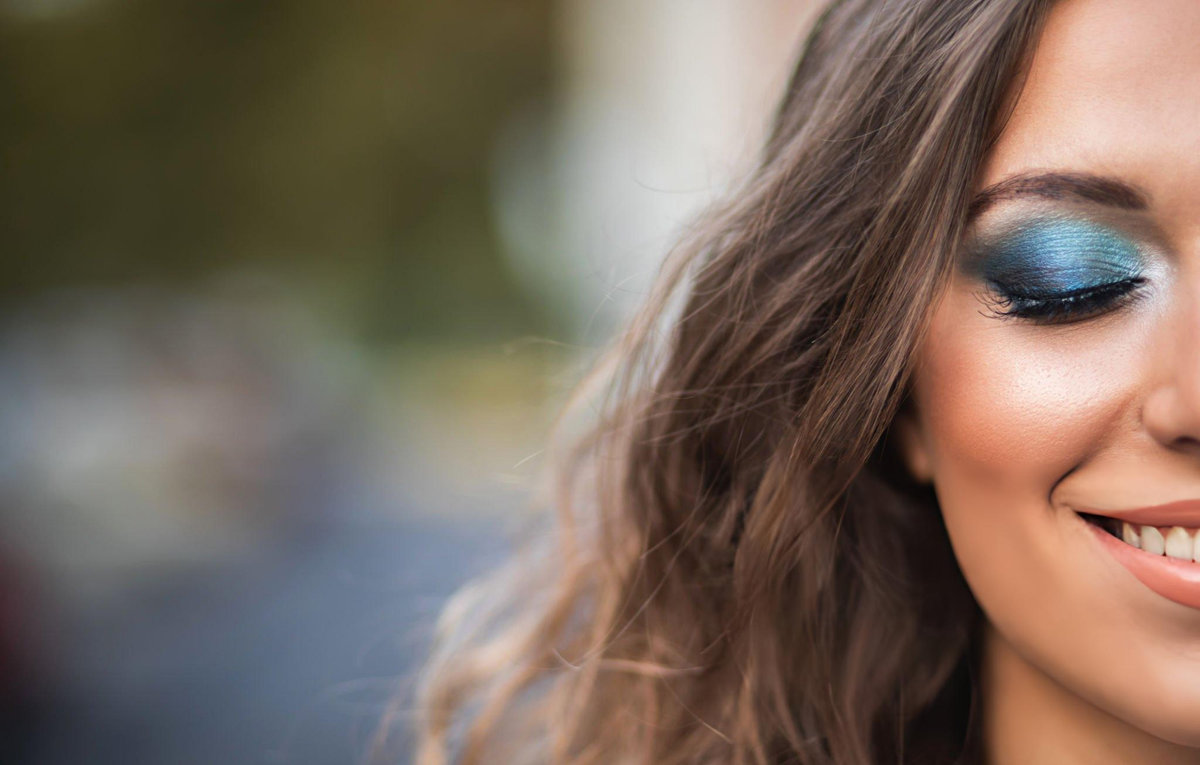
Why do fashion designers keep returning to blue eyeshadow when most people abandoned it decades ago? The runways for spring 2026 told a story about colour, about rebellion, about the end of minimal makeup that dominated Instagram for years. Models walked shows in New York and Paris wearing electric shades across their lids, paired with bare skin and neutral lips.
At the same time, bobs replaced long hair on celebrities and regular people alike. Something changed in how people want to present themselves to the world, and beauty counters and fashion retailers scrambled to keep up.
The Return of Bold Makeup
Blue eyeshadow appeared at show after show during fashion month. Not the frosted powder from 1985, but saturated, matte shades that looked intentional rather than nostalgic. Green followed, then purple, then shades of pink that bordered on neon.
Makeup artists backstage talked about clients requesting colour again after years of nude lips and bare lids. The “clean girl aesthetic” that ruled TikTok and Instagram began losing its grip as people grew tired of looking the same.
Celebrity makeup artist Ash K. Holm predicted eyes would dominate 2026, citing a hunger for glamour after years of restraint. Colourful eyeshadow tutorials accumulated millions of views as brands released palettes with names that echoed the 1990s and early 2000s.
Younger consumers embraced looks their mothers wore in high school but updated them with better formulas and application techniques that made the colours wearable rather than costume-like.
Permanent Solutions Replace Temporary Routines
Body hair removal technology made permanent solutions accessible as laser hair removal prices decreased with improved technology and increased competition among providers. What once cost thousands of dollars in exclusive clinics now costs a fraction of that amount, which made middle-class consumers reconsider their grooming math. Years of razors, waxing appointments, and time spent maintaining smooth skin added up to more than a few laser sessions.
But the calculation went deeper than money. People wanted the convenience of waking up without stubble, a reality that matched the efficiency modern grooming promised. Permanence became the priority across beauty categories, with semi-permanent makeup, microblading, and lash extensions all following the same logic.
Hair That Moves
Bobs became the haircut of the season, appearing on Sydney Sweeney with soft edges, on Halle Berry, hitting just below her jawline, and on Demi Lovato with shorter layers that created movement.
Clients walked into salons asking hairstylists to soften the edges on bob cuts, wanting hair that moved instead of the rigid, blunt precision from 2024. Extensions require constant maintenance, and long hair demands time. Women with demanding jobs stopped wanting to invest in either, which explained why salons reported a surge in bob requests that showed no signs of slowing.
French pins became the unexpected accessory of the season, with Google searches jumping 1,275% in recent months. These chrome and tortoiseshell accessories let women twist hair into updos without reaching for a flat iron or curling wand. The appeal was simple: hair stayed healthier when heat tools stayed in drawers, and brittle strands from years of styling finally had a chance to recover.
Grooming Becomes Universal
Men’s grooming evolved beyond shower gel and razors as younger male consumers began purchasing serums, moisturisers, and specialised treatments.
86% of beauty brands now use influencers in their marketing strategies, which explains why men discuss skincare routines openly and compare product recommendations the way previous generations talked about sports statistics.
Fashion Gets Theatrical
Spring 2026 runways rejected quiet luxury in favour of pieces that demanded attention. Designers sent out band jackets covered in braiding and tassels that belonged on drum majors. Miu Miu showed leather aprons paired with tea-length skirts, a domestic fantasy that nodded to retro homemaker aesthetics but with enough drama to land firmly as fashion rather than nostalgia.
Cobalt blue appeared everywhere during fashion month. Not navy, not royal blue, but that specific electric shade Yves Klein created in the 1960s. The colour showed up on everything designers sent down runways, from evening gowns to winter coats, marking the end of the beige minimalism that had dominated for years.
Fashion and beauty stopped being separate purchases. Women who cut their hair into bobs started wearing bolder eye makeup because the haircut made their faces more visible. Clothing that felt theatrical required confidence, and that confidence came from grooming routines performed consistently enough to become second nature.
Time saved from permanent hair removal went toward trying complicated makeup techniques. None of these were isolated choices. People built entire presentations of self, and every element informed the others in ways that revealed what they valued: efficiency, boldness, and the belief that appearance mattered enough to invest in properly.