
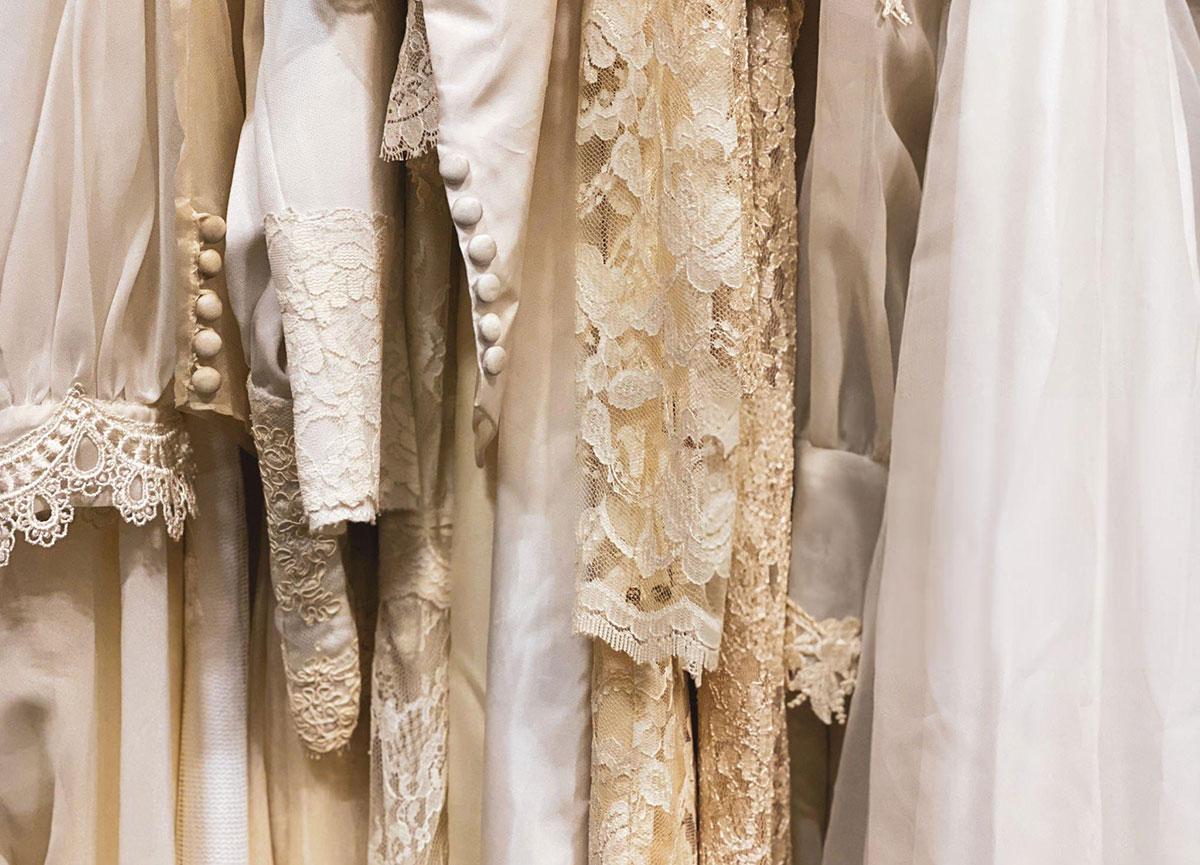
Fashion has always reflected the views and values of society, and clothes are a vivid example of this interplay. Over the centuries, these garments have evolved from simple utilitarian items to elaborate representations of art, status and individual identity. Understanding these changes allows us to appreciate the diverse range of women’s dresses available today.
The following section examines the evolution of dress styles over the centuries.
Ancient Times
In ancient civilisations, from Egypt to Greece, dresses were primarily designed for comfort and climate adaptation. Ancient Egyptian women wore linen dresses that were easy to move in and adapted to the hot climate. The Greek chiton and peplos – a long sleeveless shirt with a simple rectangle of fabric draped and pinned at the shoulders – offered a graceful but functional design.
The Medieval Era
During the Middle Ages, dress designs began to signal social class more clearly. Women wore multi-layered gowns, with the undergarment covered by an outer tunic, sometimes with a belt to emphasise the waist. The wealthy favoured luxurious materials such as silk and wool and adorned their dresses with embroidery and jewellery.
The Renaissance and Baroque Periods
The Renaissance triggered a flourishing of artistic and cultural innovation, which also had an impact on women’s fashion. Dresses became elaborate and intricate, bodices tight-fitting and skirts fuller than before, creating a silhouette that emphasised a narrow waist and voluminous skirts. The fabrics were richly coloured and often embroidered with gold or silver thread to emphasise status and wealth.
This opulence continued in the Baroque period, with elaborate ruffs and decorative sleeves that came to symbolise social grandeur.
18th and Early 19th Centuries
In the 18th century, fashion reflected the extravagance of the European courts, with dresses that featured wide culottes and tightly cinched waists, almost architectural in their structured forms.
At the beginning of the 19th century, however, fashion was orientated towards the ideals of neoclassicism. The high-waisted Empire silhouette, inspired by Greek and Roman dress, became popular. This style was lighter and more flowing, liberating women from restrictive layers and responding to the growing desire for simple, natural beauty.
The Victorian Era
The Victorian era saw the reintroduction of structured, simple designs that emphasised a narrow waist through the widespread use of corsets. The crinoline, later replaced by the bustle, added volume to skirts and created a striking hourglass figure. The dresses typically had a high neckline and long sleeves, reflecting society’s conservative attitude towards modesty and femininity.
The Early 20th Century
As society entered the 20th century, the roles and expectations of women’s dress began to change. Edwardian dresses initially retained the Victorian structure, with ‘S-curve’ silhouettes, but the First World War changed everything.
Women became working women and their clothes became practical and less restrictive. Hemlines became longer and waists looser, reflecting a changing society that was preparing for further change.
The 1920s and Beyond
The 1920s marked a revolution in women’s fashion with the emergence of flapper culture. Shorter, fitted dresses allowed unprecedented freedom of movement and were an expression of women’s newly won social freedoms.
Dresses continued to evolve in the post-war period. Dior’s “New Look” from 1947 reintroduced femininity with full skirts and fitted bodies and revitalised elegance after the austerity of the Second World War.
The Modern Era
Modern dresses reflect different influences and a mix of styles, giving women unprecedented choice. From minimalist designs to extravagant haute couture, the variety in contemporary fashion reflects the freedom and autonomy that women enjoy today.
Today’s clothes are influenced by a globalised world and fashion can be adapted to express individuality, cultural heritage or current trends. With fewer restrictions, these garments have become symbols of empowerment, allowing personal expression in all areas of life.