
Coco Chanel once said: “Fashion is not something that exists in dresses only. Fashion is in the sky, in the street, fashion has to do with ideas, the way we live, what is happening.” Twelve years after Rana Plaza collapsed and killed over 1,100 garment workers, the fashion industry finally faces something it spent decades avoiding: real consequences. Not promises. Not pledges. Actual laws with penalties attached.
As our world changes socially, environmentally and economically, our ideas and lifestyle choices as consumers have begun to shift. The questions we’re asking now are different. It’s not just about whether sustainable fashion is possible—it’s about whether the changes happening fast enough to matter. With climate disasters intensifying, resources depleting, and brands like Shein pumping out 26 million tons of carbon annually, sustainable fashion isn’t transforming from a niche to a necessity. It already is one.
When Rana Plaza Collapsed, Everything Changed
The Rana Plaza building collapse in April 2013 was a tragedy that forced the world to see what the fashion industry had long hidden. When the eight-storey building in Dhaka, Bangladesh, crumbled, it killed 1,134 garment workers and injured over 2,500 more. Rescuers searching through the rubble had to identify which brands were producing there by digging through debris looking for clothing labels. Think about that. The brands didn’t even know their own clothes were being made in that death trap.
The disaster sparked something powerful. In 2014, activists launched Fashion Revolution with a simple question: #WhoMadeMyClothes? That question grew into annual transparency tracking. By 2024, Fashion Revolution was reviewing 250 of the world’s biggest fashion brands, measuring not just what they claimed but what they actually disclosed to the public.
But here’s the uncomfortable truth: the conditions that killed those workers—unsafe buildings, poverty wages, no worker protections—they still exist. With limited workers’ rights legislation and weak enforcement where laws do exist, working conditions remain dangerous. Low wages mean workers receive a tiny fraction of what retailers charge, while large brands earn hefty margins. These aren’t accidents. They’re the foundation of the fast fashion business model that H&M and Zara built their empires on. As Tamsin Lejeune, founder of the Ethical Fashion Forum, said years ago:
“The basic premise for all conflict is inequality.”
The pictures of Rana Plaza, with popular brand labels scattered in the rubble, showed exactly what that inequality looks like.
The Environmental Damage We Can’t Undo
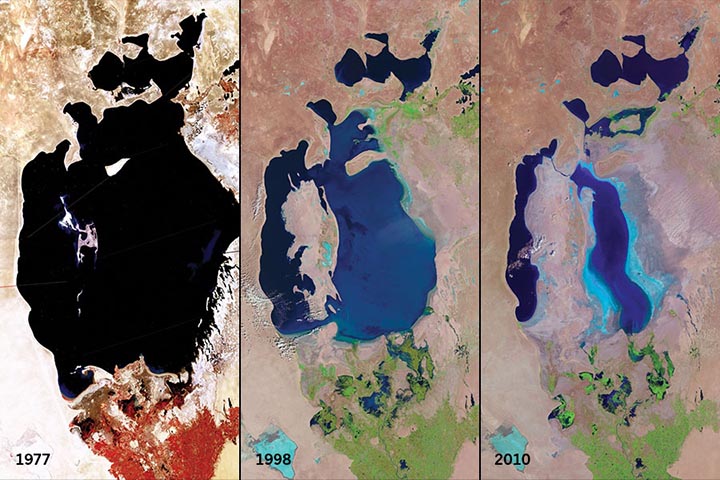
Fashion’s environmental damage isn’t some future problem we might face. It’s already happened. It takes 20,000 litres of water to produce a single T-shirt and pair of jeans. That’s not sustainable—it’s destructive. The Aral Sea in Central Asia used to be one of the four largest lakes in the world. Now it’s mostly desert. It has shrunk by three quarters since the 1960s because Uzbek cotton farmers drained it through decades of uncontrolled irrigation. Uzbekistan is still one of the world’s largest cotton exporters. The communities who relied on that lake for fishing and agriculture? Their livelihoods are gone.
And water depletion is just one piece. Fashion supply chains dump toxic chemicals, treat animals cruelly for fur and leather, and send millions of tonnes of textile waste to landfills every year.
The industry produces about 10 percent of global carbon emissions—more than all international flights and maritime shipping combined.
Less than 1 percent of textiles get recycled into new textiles. We’re drowning in clothes that were designed to be worn a few times and thrown away.
The Regulations Are Finally Here
For over a decade after Rana Plaza, the industry ran on promises. Brands issued sustainability pledges, launched “conscious” collections, published impressive-sounding reports—all voluntary. No standards. No enforcement. No real consequences if they failed to deliver.
That era is ending. In March 2022, the European Commission adopted the EU Strategy for Sustainable and Circular Textiles. This isn’t another voluntary framework. These are actual laws. On July 18, 2024, the Ecodesign for Sustainable Products Regulation came into force. It sets mandatory requirements for textiles sold in the EU. Products must meet specific standards for durability, repairability, and recyclability.
Brands must provide Digital Product Passports with full environmental and supply chain information for every garment. And destroying unsold clothes? That’s now banned.
Since January 1, 2025, Extended Producer Responsibility is mandatory across all EU member states. Fashion brands must now take financial and operational responsibility for their products’ entire lifecycle—including what happens after you throw them away. The EU’s Green Claims Directive tackles greenwashing head-on. Those vague claims like “eco-friendly” or “sustainable”? They’re now illegal unless backed by recognised third-party certification.
These regulations are the most comprehensive legislative intervention in fashion industry history. And they apply to any brand selling in the EU—which means they’re reshaping global production standards whether brands like it or not.
When “Sustainable” Became a Marketing Lie
As consumers started caring about sustainability, brands started slapping “eco-friendly” labels on everything. Marketing raced ahead of reality. And eventually, the lies caught up with them.
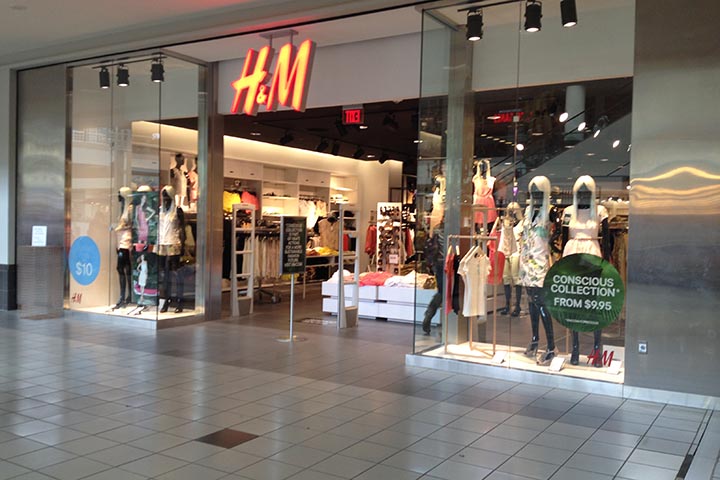
H&M—one of the brands that pioneered early sustainability initiatives in the 2010s—became a cautionary tale. In June 2022, Quartz investigated H&M’s sustainability scorecards and found they were misleading. More than half the scorecards made products look better for the environment when they weren’t. Some data was completely wrong. Norwegian authorities said H&M was breaking the law by using these scores to market products as sustainable.
A month later, a customer named Chelsea Commodore sued H&M in New York federal court. She’d bought items from the “Conscious Choice” collection believing they were environmentally friendly. The lawsuit challenged everything—the recycling program’s claims, the materials used, the whole marketing approach. In May 2023, the court dismissed the case. The judge found that H&M hadn’t actually claimed products were “environmentally friendly”—that phrase appeared over 100 times in the lawsuit but never in H&M’s marketing. H&M’s lawyers had been careful. They said products contained “more sustainable materials” and were “our most sustainable products.” Legally defensible language.
The lawsuit failed, but it revealed something important: without clear legal standards, brands could market almost anything as sustainable and get away with it.
That’s exactly the gap the EU’s Green Claims Directive aims to close. France went even further. In 2025, Italy’s competition authority fined Shein €1.15 million for greenwashing, finding their sustainability claims “vague, generic and/or overly emphatic and in others, misleading or omissive.”
Transparency Became a Weapon
Fashion Revolution turned transparency into a competitive pressure tool. Their Fashion Transparency Index started by reviewing 40 brands. By 2024, they were tracking 250. The index doesn’t measure whether brands are sustainable—it measures what they publicly disclose. Can anyone see their policies? Their supplier lists? Their carbon emissions? The ranking creates pressure. Brands don’t want to be at the bottom.
In 2024, Fashion Revolution published a special edition called “What Fuels Fashion?” focused entirely on climate transparency. They reviewed 250 brands on whether they disclosed climate policies, energy sources, and decarbonisation plans. By September 2025, H&M ranked first with 71 percent—showing that transparency pressure works, at least for getting brands to share information. Whether they’re actually solving the problems they’re disclosing? That’s a different question.
The principle is simple: when brands publish supplier lists, emissions data, and wage information, people can verify their claims.
Workers’ rights organisations can identify factories. Environmental groups can check carbon numbers. Investors can assess risk. As Fashion Revolution says: “Transparency is a first step; it is not radical, but it is necessary.”
The Rise of Renting and Resale
While regulations tightened, something else was happening: people started questioning whether they needed to own everything they wore. The clothing rental market exploded. Valued at about $1.32 billion in 2024, it’s projected to hit $2.75 billion by 2033. That’s not a niche anymore.
In the US, about 8 percent of consumers subscribe to rental services now, with 15 percent having tried them. Subscription uptake jumped 16 percent since 2020.
Gen Z and Millennials are driving this shift. They care about sustainability, but they also just want variety without commitment or clutter.
Rent the Runway doubled its revenue from $33.5 million to $67.1 million between Q1 2021 and Q1 2022. Nuuly, Urban Outfitters’ rental service, passed 250,000 subscribers by 2023. UK-based HURR Collective raised $15.4 million in December 2023 and partnered with Deliveroo for same-day delivery.
Rental makes environmental sense if the numbers work. When people rent occasion wear instead of buying something they’ll wear once, production decreases. But rental has its own environmental costs—shipping emissions, industrial laundering, packaging waste. The environmental benefit depends on how many times each item gets rented before it’s done. The model works when utilisation is high. When it’s not, rental can be worse than ownership.
Then There’s Shein
While some fashion brands moved toward sustainability, Shein went the opposite direction—hard. Shein represents “ultra-fast fashion,” and that’s not marketing language. It’s a warning. New designs become manufactured products in as little as 10 days. Up to 10,000 items get added to the website daily. About 600,000 items are for sale at any time. Average price? Roughly $10.
The environmental numbers are staggering. In 2023, Shein emitted 16.7 million metric tons of carbon dioxide equivalent. In 2024? That jumped to 26.2 million metric tons. That’s a 23.1 percent increase in one year.
For context, that’s more than what four coal power plants emit annually. And this happened while everyone was watching, while scrutiny was intense, while regulations were coming.
Polyester makes up 76 percent of Shein’s fabrics. Only 6 percent of that polyester is recycled. Polyester sheds microplastics every time it’s washed. Shein’s model encourages people to buy constantly and discard quickly, multiplying the damage.
About 44 percent of Gen Z in the US buy from Shein at least monthly. These are the same young people who say they care about climate change.
France responded with legislation specifically targeting ultra-fast fashion. In June 2025, the Senate approved a law imposing a €5 environmental surcharge per item starting in 2025, rising to €10 by 2030. The surcharge is capped at 50 percent of the item’s price. The law also bans advertising for brands that fail environmental standards. Italy fined Shein €1.15 million for greenwashing in 2025. Whether these measures will actually slow Shein’s growth remains to be seen.
So What Actually Changes?
The fashion industry in 2026 faces something it never faced before: enforceable rules. The EU regulations establish minimum standards for products sold in the world’s third-largest consumer market. France’s legislation tests whether financial penalties can change behaviour. Transparency tracking creates ongoing pressure. Rental and resale offer alternative business models.
But here’s the fundamental problem: these interventions are trying to fix a system built on endless growth. Even with regulations, most fashion brands still need year-over-year sales increases to satisfy investors.
Even with recycled materials and renewable energy, producing billions of garments annually creates environmental pressure that efficiency improvements can’t solve. The math doesn’t work.
Rental and resale remain small compared to traditional fashion. For circular models to significantly reduce industry emissions and waste, they’d need to scale massively while actually staying more sustainable than production—which isn’t guaranteed.
And then there’s the Shein problem. The ultra-fast fashion segment keeps growing despite everything. Shein’s emissions increased 23.1 percent in 2024 in an environment of intense scrutiny and regulatory pressure. Market forces alone won’t stop the most extractive business models. Only direct intervention—like France’s per-item taxes or EU-wide restrictions—might work.
What Future Are We Actually Building?
If fashion continues on its current path, future generations inherit a nightmare. Freshwater depletion. Synthetic microfibres saturating ecosystems. Accelerating climate change. Garment workers in developing countries bearing the worst costs while corporations keep the profits. This isn’t speculation. It’s the trajectory we’re on.
But that outcome isn’t inevitable. The regulations being implemented, the transparency mechanisms creating pressure, the circular business models emerging—they show alternatives exist. The vision that early sustainable fashion advocates had—that fashion should be creative and aspirational, that quality should replace quantity, that people should consume less and value items more—that’s not naive anymore. By 2026, parts of it are becoming law.
Companies now face legal requirements to design for durability, provide transparent supply chain information, and manage products through their entire lifecycle.
Consumer awareness has shifted from niche concern to mainstream expectation.
When H&M launched its early initiatives, Emily Scarlett from H&M Canada noted the response: “We have seen really strong reactions from our customer, employees and stakeholders. Specifically in Canada, we collected over 200,000lbs of garments for our garment collecting initiative last year alone which is phenomenal. Our staff tells us they appreciate working for a company that has a sustainability focus.”
The question isn’t whether fashion can change. The question is whether it will change fast enough and deeply enough to matter.
Whether the regulations will be enforced. Whether brands will find loopholes or actually transform. Whether consumers will demand change with their wallets, not just their words. Whether we can move from efficiency improvements to genuine system transformation.
What can we, as consumers, do to work towards such a future?
- Educate ourselves on supply chains for brands we buy from, using resources like Fashion Revolution’s Transparency Index
- Support brands that demonstrate genuine sustainability through third-party certification, not just marketing claims
- Buy less. Rent, buy secondhand, upcycle, repair what we have
- Support legislation that establishes enforceable sustainability standards
- Demand transparency. Ask brands: who made this? What’s the environmental impact? Prove it.
- Question ultra-fast fashion. If something costs $5 and took 10 days to make and ship halfway around the world, someone or something paid the real cost
The difference between 2026 and 2013, when Rana Plaza collapsed, is this: sustainability moved from voluntary commitment to legal obligation. From niche concern to regulatory framework. From aspiration to requirement. Whether these changes arrive fast enough to address the environmental crisis remains fashion’s defining question. But at least now, for the first time, there are consequences for getting it wrong.
Sources and Further Reading
Historical Context and Foundational Research:
- World Wildlife Fund. “Cotton: A Water Intensive Crop.” WWF Global, wwf.panda.org.
- Fashion Revolution. “About Transparency.” Fashion Revolution, www.fashionrevolution.org.
- Ellen MacArthur Foundation. “A New Textiles Economy: Redesigning Fashion’s Future.” 2017.
EU Regulatory Framework:
- European Commission. “EU Strategy for Sustainable and Circular Textiles.” March 30, 2022. environment.ec.europa.eu.
- European Commission. “Ecodesign for Sustainable Products Regulation.” Official Journal of the European Union, July 18, 2024.
- Carbonfact. “Full Overview of the EU Textile Strategy and Regulations.” April 7, 2025. www.carbonfact.com.
- European Parliament. “EU Strategy for Sustainable and Circular Textiles.” Legislative Train Schedule, September 20, 2025.
- Net Zero Compare. “EU Textile Strategy (2023): Circular and Sustainable by 2030.” November 2025.
H&M Greenwashing Cases:
- Sustainable Fashion Forum. “H&M is Being Sued For ‘Misleading’ Sustainability Marketing.” September 8, 2022. www.thesustainablefashionforum.com.
- Business and Human Rights Centre. “USA: H&M Faces ‘Greenwashing’ Class-Action Lawsuit.” July 2022.
- Green Building Law Update. “H&M Wins Dismissal of Greenwashing Lawsuit.” May 28, 2023.
- The Fashion Law. “H&M Escapes Lawsuit Accusing it of Greenwashing.” March 18, 2024.
- ClassAction.org. “H&M Hit with Another ‘Greenwashing’ Class Action.” May 26, 2023.
Fashion Transparency Index:
- Fashion Revolution. “What Fuels Fashion? 2024.” October 10, 2024. www.fashionrevolution.org.
- Fashion Revolution. “What Fuels Fashion? 2025.” September 25, 2025.
- Statista. “Most Transparent Fashion Companies Worldwide in 2024.” August 7, 2024.
- H&M Group. “H&M Ranks 1st in Fashion Revolution’s What Fuels Fashion? Report.” September 25, 2025.
Circular Fashion Markets:
- Technavio. “Online Clothing Rental Market Growth Analysis – Size and Forecast 2025-2029.” 2024.
- Future Data Stats. “Rental Fashion Market Size & Industry Growth 2030.” 2023.
- IMARC Group. “Online Clothing Rental Market Size, Trends Report, 2033.” 2024.
- Mordor Intelligence. “Online Clothing Rental Market – Size & Trends.” September 8, 2025.
- Future Market Insights. “Online Clothing Rental Market | Global Market Analysis Report – 2035.” October 29, 2025.
Shein and Ultra-Fast Fashion:
- Kitajima Mulkey, Sachi. “Shein is Officially the Biggest Polluter in Fast Fashion.” Yale Climate Connections, September 19, 2024.
- Sustainability Magazine. “Fast Fashion Greenwashing: SHEIN’s US$1.15m Fine from Italy.” August 6, 2025.
- Earth.Org. “Emissions of Fast Fashion Giant Shein Balloon in 2024.” July 11, 2025.
- Impakter. “Shein’s Carbon Emissions Skyrocket in 2024.” June 18, 2025.
- Sustainability Magazine. “SHEIN Carbon Emissions Soar: Can it Ever be Sustainable?” June 30, 2025.
- Carbon Credits. “France’s New Law to Curb Fast Fashion Carbon Footprint.” June 18, 2025.
- Sustainability Magazine. “Will French Fast Fashion Rules Change Shein?” October 3, 2025.