
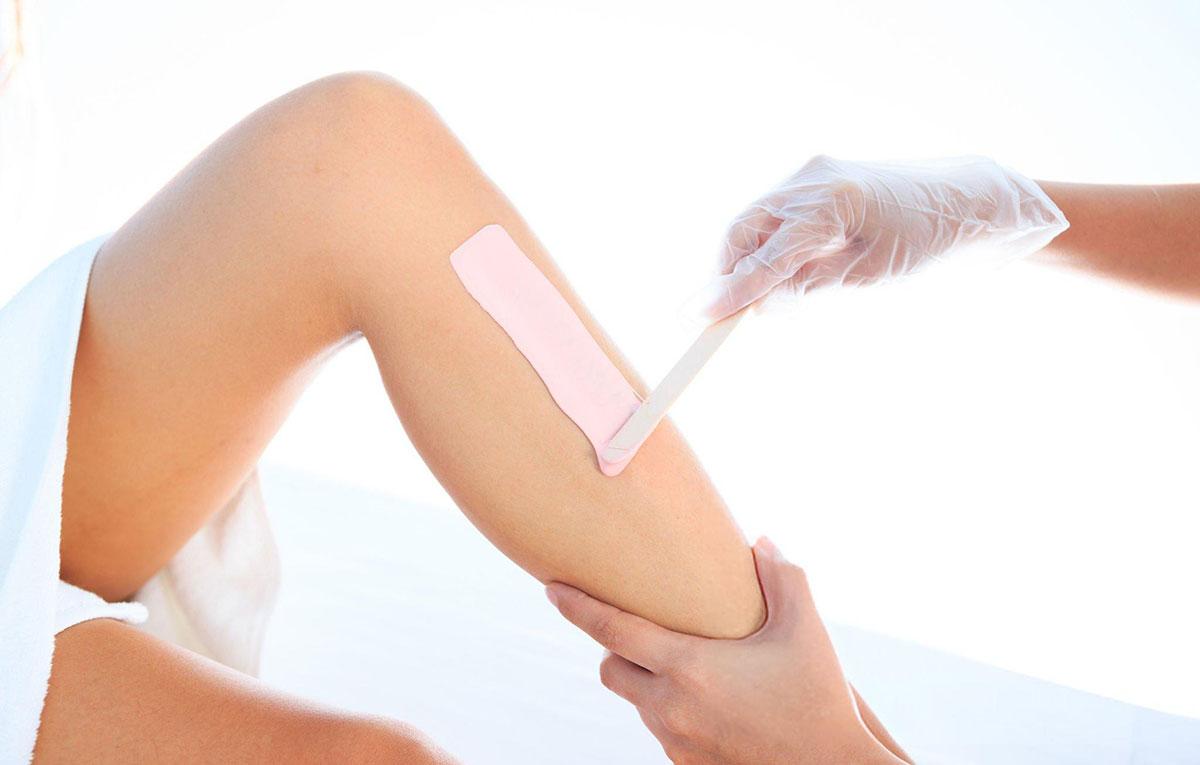
Waxing is an art, and mastering it can transform the way we feel about ourselves. From achieving that smooth touch to the confidence boost it brings, waxing is a game-changer. Most importantly, knowing the right tips and techniques can make your waxing experience not just bearable, but enjoyable.
We’re diving into everything you need to know about waxing. Whether you’re a beginner or a seasoned pro, our guide breaks it all down. We’ll explore essential pre-waxing steps, different techniques, and the all-important aftercare routine.
Waxing isn’t just about removing hair; it’s about taking care of our skin. Proper aftercare can keep our skin smooth and healthy, reducing irritation or complications. Our insights will ensure your skin stays in top shape, so you can focus on living confidently.
Preparing for Your Waxing Session
Before a waxing session, it’s crucial to understand your hair growth cycles, choose the right technique, and ensure proper consultation and patch testing. This preparation will help us achieve a smooth waxing experience.
Understanding Hair Growth Cycles
Hair growth follows cycles: growing, resting, and shedding. We need to target the growing phase for effective waxing. Regular waxing can stunt and thin hair over time. Knowing our cycles lets us schedule the session for optimal hair removal. We should wait until hair is about a quarter-inch long. This ensures the wax can grip the hair effectively, minimizing pain and maximizing results. Some may find individual cycles vary slightly, but understanding our pattern assures better outcomes.
Choosing the Right Waxing Technique
Selecting the right waxing method can influence our experience. Hard wax is excellent for sensitive areas as it adheres to the hair, not the skin. Soft wax requires strips and works well on larger body areas. Sugaring offers a more natural alternative, while wax strips are accessible for home use. We should consult our esthetician about skin type and area to be waxed. This way, we choose the most effective and least painful option. Our choice hinges on several factors, including personal preferences and specific needs.
Consultation and Patch Testing
Before waxing, a consultation with a professional is essential. This helps us address any skin concerns and customize the treatment for our needs. Patch testing is critical for allergy detection or adverse reactions. Applying a small wax amount on a discreet area before the main session can prevent irritations. We should discuss any underlying skin conditions or current medications, as they might affect the process. A thorough consultation and patch testing ensure our safety and the best possible results from our waxing session.
The Waxing Process
Waxing is a precise method of hair removal that involves several important steps. To achieve smooth and hair-free skin, we should focus on effective waxing techniques and proper post-wax care.
Effective Waxing Tips
Before we embark on waxing, it’s crucial to ensure our skin is clean and dry. This helps the wax adhere to the hair rather than our skin. Using either warm or cold wax can achieve great results depending on personal preference.
Applying wax in the direction of hair growth and removing it swiftly in the opposite direction minimizes potential discomfort. Engaging skilled technicians for areas like Brazilian waxing or bikini waxes can also enhance our experience. They ensure the process is done quickly and effectively.
Choosing appropriate products for our skin type can prevent irritation and enhance results. Moreover, frequent exfoliation between waxing sessions can help reduce ingrown hairs, offering us a consistently smooth result.
Post-Wax Care and Scheduling Follow-Up Appointments
Proper aftercare is essential to keep freshly waxed skin healthy. Avoiding heat, such as hot showers or saunas, helps prevent irritation. We should steer clear of intense exercise for about 24 hours since sweat can affect sensitive skin.
Moisturizing is key. Using soothing lotions or gels can calm our skin and extend the smooth feel of our waxing. For areas like a bikini or Brazilian wax, special attention is needed to prevent irritation and ingrown hairs.
Scheduling regular follow-up appointments ensures that our hair is maintained at a length ideal for waxing. It’s typically best to have sessions every 4-6 weeks, accommodating different growth rates and hair types. This keeps our skin in top condition and optimally hair-free.
Aftercare for Optimal Results
For smooth, hair-free skin after waxing, proper aftercare is crucial. Our focus is on reducing skin irritation, avoiding ingrown hairs, and using the right products to maintain healthy skin.
Managing Skin Irritation and Redness
Skin can often become irritated and red post-waxing. To ease this, use calming products like aloe vera gel or chamomile-infused creams. These soothing ingredients help to reduce redness and cool the skin. Applying a thin layer of hydrocortisone cream can further minimize inflammation.
Another effective strategy is to keep your skin hydrated. Non-comedogenic moisturizers work best as they moisturize without clogging pores. Stay away from tight clothing right after waxing to let your skin breathe. This reduces friction and potential skin irritation, ensuring a comfortable recovery process.
Preventing Ingrown Hairs and Infections
Ingrown hairs and infections are common issues after waxing. To combat these, gentle exfoliation is key. We recommend gentle exfoliating two to three times a week with a soft scrub or a brush. This prevents pores from clogging and helps hair grow out properly.
Make sure to keep the waxed area clean to avoid infections. Use mild, unscented soap and water for washing. If you notice any signs of bacterial infections, like pus or increased redness, consult a healthcare professional promptly.
Essential Aftercare Tips and Products
A proper aftercare routine matters. Start with basic skincare products designed for post-waxing. Look for soothing lotions that reduce irritation. Regular use of these products can enhance the healing process.
Incorporate post-wax products such as gentle toners to balance skin pH. Choose soothing ingredients like aloe vera or chamomile for calming effects. Our go-to are lotions and gels that moisturize without leaving an oily residue. For those seeking premium options, Tress Wellness offers a range of products specifically crafted to care for post-wax skin, ensuring hydration and comfort without irritation. Avoid products that contain fragrance or alcohol, as they can cause further irritation.
Following these steps ensures that your skin remains smooth and irritation-free, helping you enjoy a lasting, hair-free complexion.
Conclusion
Mastering the art of waxing involves understanding the entire process—from preparation to aftercare. By choosing the right products and techniques, you can transform your waxing experience into a rewarding self-care ritual. Remember, the key to lasting smoothness and healthy skin lies in the details and consistent care.