
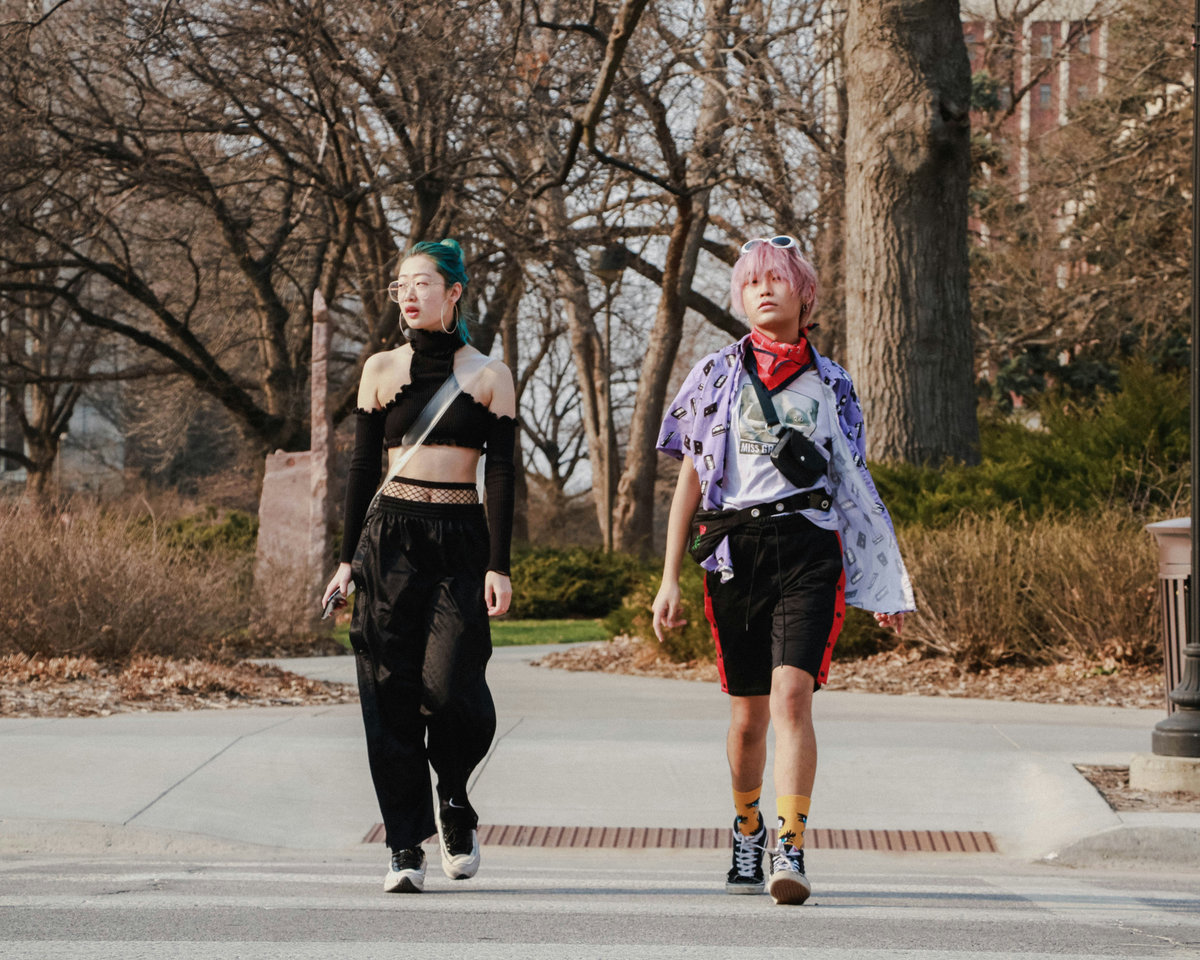
Building any wardrobe from scratch is an exercise in self-knowledge. You have to know what you’re drawn to, what works for your body, what fits the contexts of your life, and what you’ll actually reach for when getting dressed rather than leaving unworn. Building a femboy wardrobe adds an additional layer — navigating aesthetic territory that mainstream retail doesn’t cater to particularly well, and developing confidence in choices that sit outside conventional fashion norms.
The good news is that this process has become significantly more accessible in recent years. Dedicated communities, specialist retailers, and a growing body of styling guidance mean that people exploring this aesthetic today have resources that simply didn’t exist a few years ago.
Starting With a Clear Aesthetic Direction
Before buying anything, it’s worth spending time understanding what specifically appeals to you within the broad territory of femboy fashion. The aesthetic is genuinely diverse — it encompasses soft pastels and kawaii influences at one end, darker goth and alternative aesthetics at the other, and countless variations in between.
Looking at what you’re drawn to — the colours, silhouettes, and specific garments that feel most resonant — gives you a framework for building coherently rather than accumulating disconnected pieces. A wardrobe built around a clear aesthetic direction, even a loose one, is significantly more useful than one assembled from whatever seemed appealing in isolation.
The Foundation Pieces
Every wardrobe needs foundation pieces — items that anchor looks and work with multiple other pieces. In femboy fashion, these tend to include quality legwear, versatile tops in soft fabrics, and at least one or two skirts or shorts that work across different styling contexts.
Underwear is also a genuine foundation consideration in a way that conventional menswear rarely acknowledges. Well-chosen femboy panties that fit properly and feel comfortable contribute to the overall experience of dressing in ways that are easy to underestimate. Starting with underwear that actually suits the aesthetic — rather than defaulting to conventional menswear options — sets the right foundation for everything worn over it.
The Role of Accessories
Accessories are where femboy fashion’s expressive potential really opens up. The difference between a basic outfit and a fully realised look is almost always in the details — the right choker, the right leg garter, the right hair accessory, the right jewellery. Femboy accessories deserve at least as much attention as clothing in the wardrobe-building process, and often more, because they’re what transforms individual pieces into coherent aesthetic statements.
Building an accessory collection gradually — adding pieces that work with multiple outfits rather than being tied to single looks — creates compounding styling flexibility over time. A well-chosen choker or set of earrings might work across dozens of different outfit combinations, making it one of the highest-value additions to a developing wardrobe.
Quality Over Quantity
The temptation when building a new wardrobe is to acquire pieces quickly — to get from zero to a functional wardrobe as fast as possible. This almost always produces a collection of items that individually seem appealing but don’t work well together, alongside a significant proportion of things that turn out not to suit you as well as they seemed to in isolation.
A slower approach — buying fewer pieces, living with them, understanding how they fit into your actual life before buying more — consistently produces better results. Each purchase becomes more considered, more likely to integrate well with existing pieces, and more likely to reflect genuinely developing taste rather than initial enthusiasm.
Confidence as the Final Piece
The most important element of any femboy wardrobe isn’t a specific garment — it’s the confidence to wear what you’ve assembled in the contexts of your actual life. That confidence develops with practice, through the gradual process of wearing new aesthetics regularly enough that they stop feeling new and start feeling like just getting dressed.
This is why starting with pieces that feel manageable rather than overwhelming tends to produce better outcomes. Building from a foundation of things you feel genuinely comfortable in, and expanding gradually from there, creates a sustainable trajectory toward a wardrobe that feels fully authentic rather than perpetually aspirational.
The wardrobe you’re building is ultimately a tool for self-expression. The most effective version of it is one you’ll actually use — that feels like yours rather than a costume you’re trying on.