
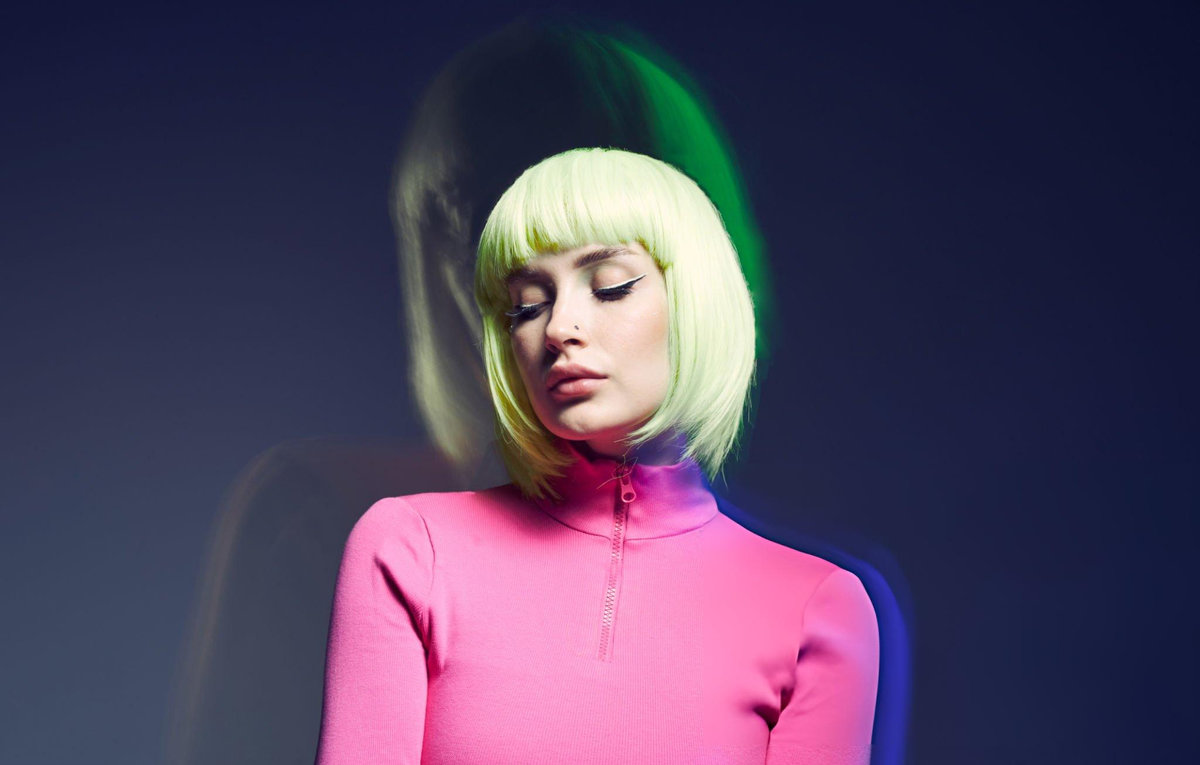
Hair is a fundamental part of personal style. It acts as a visual language for identity, mood, and personality, creating a cohesive look by working in harmony with the clothes and accessories you wear.
Hair can represent significant life changes or boost confidence through self-expression and positive feedback. Your chosen hairstyle communicates aspects of your inner self, from professionalism to rebellion, and reflects your life stage, culture, and even resilience. This makes it a powerful tool for self-definition.
Essentially, every strand, movement, and texture contributes to the way someone presents themselves to the world. Hair often reflects stories, habits, memories, and individual rituals, which influence how personal style forms over time.
In this article, we explore how hair shapes personal style and identity through form, texture, and cultural expression.
Why Is Hair Such an Important Part of Personal Style?
Because hair sits close to the face, it is always going to be central to the first impression someone makes. Everything from texture to movement to colour becomes part of the way a person presents themselves to the world. Indeed, hair affects how an outfit feels, how someone walks into a room, and how confident they are throughout the day.
Many people like to explore ways to refresh their look through new cuts, new colours, or even via solutions like a hair transplant when they want a long-term change. Each approach presents personal style by helping people feel aligned with how they want to be seen.
The role hair plays in fashion stretches across history, culture, and everyday life. Therefore, when someone understands how hair influences their aesthetic, they begin to see style as a full picture rather than a set of separate choices.
How Your Hairstyle Reflects Your Personality
A hairstyle often mirrors the energy someone brings into their world. Hair can feel bold, soft, polished, artistic, or adventurous.
These choices help people express identity without saying a word. Personal style expression grows from small signals like the lift at the fringe, the length of a bob, or the texture of curls. Some people prefer sleek lines that complement a clean, structured wardrobe. Others feel more drawn to loose waves or curls that match a relaxed lifestyle.
Ultimately, hair becomes a form of self-expression that manifests through colour, shape, and styling choices that reflect personality and mood.
The Connection Between Hair Trends and Fashion Trends
Fashion and beauty have always evolved together. This means that when a new hair trend appears, it often reflects cultural moments, artistic movements, and emerging attitudes. The rise of layered cuts, bright colour streaks, and super-sleek styles appears in runway looks, streetwear, and editorial photography. Many of these shifts coincide with changes in clothing silhouettes and accessory choices.
A great example is the return of nostalgic styles such as the Y2K fashion comeback. When a decade returns to modern dressing, hair always returns with it.
How To Choose a Hairstyle That Matches Your Personal Look
If you want to choose a hairstyle that champions your style, it’s much easier to do so if you understand the elements that influence the final look.
Face shape, hair texture, and lifestyle all influence how a style settles into your everyday routine. Subsequently, when someone works with these elements rather than against them, the result will always feel much more polished and require fewer adjustments.
Straight hair may fall into clean, structured lines that support minimalist wardrobes. Likewise, a curly or wavy style can add softness or movement that complements a more relaxed or romantic aesthetic. We all have natural qualities that guide which cuts and shapes will feel most harmonious.
Your wardrobe also plays a role in selecting the right hairstyle. What you wear typically features patterns in colour, silhouette, and mood. A complementary haircut can bring those choices together into a more cohesive look. For example, someone who dresses with bold prints or expressive accessories may enjoy hairstyles that offer texture or volume. Alternatively, those who prefer neutral palettes often find balance in simple, refined cuts.
How Does Good Hair Care Influence Your Overall Look?
The healthier you can keep your hair, the better, because shine, movement, and texture all influence its final effect.
Maintaining good hair care routines through hydration, styling products, regular trims, and protective practices helps to keep your hair strong. This is vital because healthy hair carries a natural shine and movement that enhances the colours, textures, and silhouettes someone wears.
When hair feels hydrated, strong, and well-maintained, it supports every outfit you wear by adding a polished finish that feels effortless.
Expert Tips to Create a More Cohesive Personal Style Through Hair
If you want to create cohesive style through your hair, the best way to do this is to understand what feels most natural to you.
Many people find that the hairstyles they return to again and again reveal something about the aesthetic they feel most comfortable with. Therefore, observing these patterns should help to guide future choices. When a cut or colour makes you feel good, it helps to build your confidence, which, in turn, becomes a visible part of your style.
The clothes in your wardrobe can also help refine your direction. The pieces you reach for most often, whether that be structured tailoring, flowing fabrics, bold prints, or soft neutrals, can all point toward hairstyles that mirror the same mood.
Ultimately, hair that aligns with your clothing choices can bring harmony to your overall look. Adding a few accessories, such as clips, scarves or hats, can also introduce more personality without the need to change your haircut.
Medical Disclaimer: This article contains general information about hair care and styling. Any references to medical procedures such as hair transplants are for informational purposes only and do not constitute medical advice. Readers should consult qualified healthcare professionals before considering any medical treatments.