
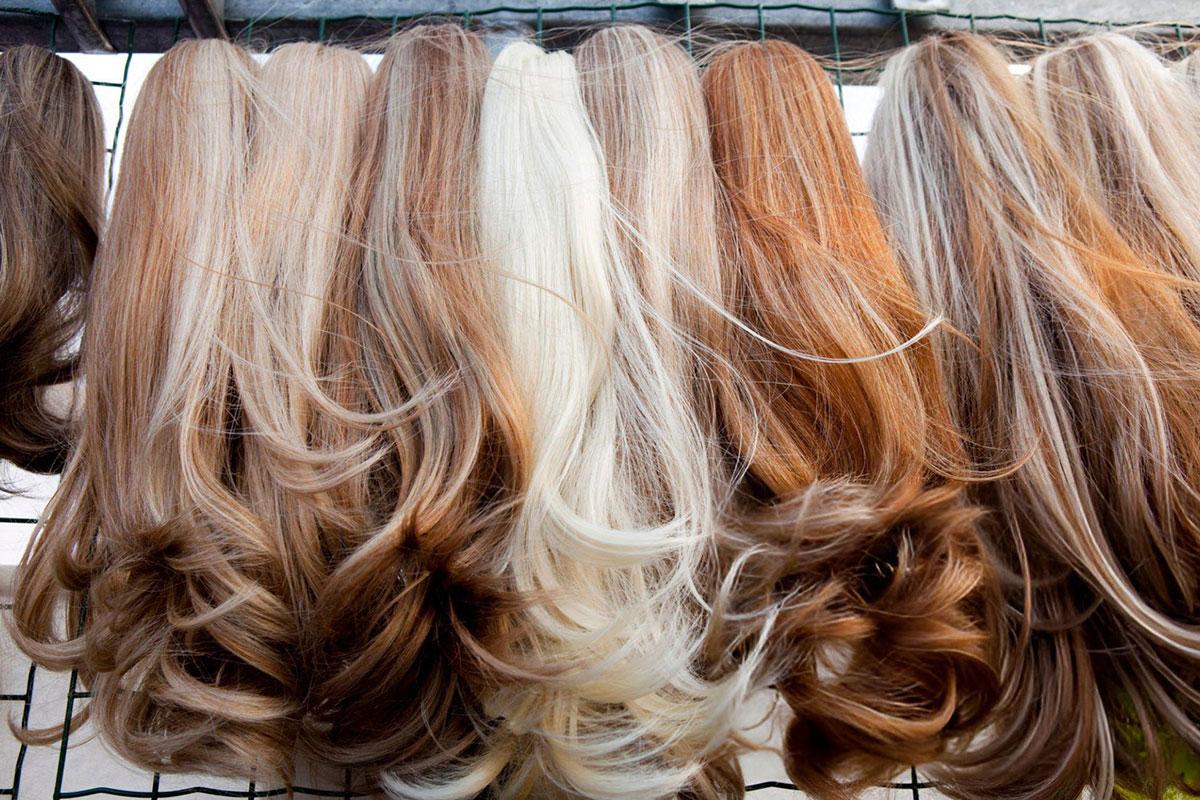
Navigating the world of hair extensions can feel overwhelming with so many options. Clip-ins offer flexibility for occasional wear, tape-ins are a semi-permanent solution and sew-ins deliver long-lasting results. Whether you choose clip-in, tape-in or sew-in hair extensions ultimately depends on your lifestyle, budget, hair type and commitment.
Each type of extension has its own benefits. Clip-in hair extensions are perfect for beginners as they require little expertise to apply and remove on a daily basis. Tape-in hair extensions are mid-range and last 6-8 weeks with proper care, while sew-in hair extensions are the most durable but require professional application.
For this reason, sew-in extensions are often favoured by those looking for long-term volume and fullness without daily maintenance. They also work well for thicker hair textures and can support the weight of realistic wavy hair extensions without slipping. However, they do require regular visits to the hairdresser for maintenance and careful scalp care. By understanding how each method fits into your routine, you can make a decision that feels both natural and easy to manage.
Key Takeaways
- Clip-ins offer versatility and ease of application, while tape-ins offer a balance between commitment and care.
- Your natural hair type and daily routine should guide you when choosing your hair extensions to ensure comfort and longevity.
- Budget also plays a role, as the cost of temporary and permanent extensions varies greatly.
Assessing Your Hair Type and Lifestyle
To choose the right hair extensions, you need to know your natural hair characteristics and your daily routine. The perfect addition will complement your existing hair and fit seamlessly into your lifestyle.
Consider Your Natural Hair Texture
The texture of your natural hair plays a decisive role in the choice of extensions. Fine hair requires lightweight options to avoid damage and excessive pulling on the hair follicles.
For those with fine or thin hair, clip-ins can offer volume without strain, while tape-ins distribute weight more evenly across the scalp.
Medium to thick hair can support most extensions, even heavier sew-ins. If you have naturally wavy hair, you should match the wave pattern of the extensions to your own so that they blend seamlessly.
Hair Type Compatibility Guide:
- Fine hair: clip-ins, light tape-ins
- Medium hair: All types suitable
- Thick hair: Sew-ins, fusion, tape-ins
- Curly/wavy: Choose extensions with a suitable texture
Understanding the Impact on Natural Hair and Scalp Health
Each extension method has a different effect on your natural hair and scalp. The right assessment prevents potential damage and ensures comfort.
People with sensitive scalps should avoid tight stitches that can cause tension and irritation. Clip-ins are the gentlest option for sensitive areas as they can be applied in such a way that they do not tighten.
People suffering from hair loss or thinning hair should seek professional advice before opting for extensions. Lightweight options that are not applied to problem areas minimise additional stress on the follicles.
Exploring Types of Hair Extensions
Choosing the right type of hair extension is crucial to achieving the look you want and ensuring comfort that suits your lifestyle. Each extension method offers unique benefits for wavy hair and has different installation and maintenance requirements.
Clip-In Extensions: Features and Benefits
Clip-in extensions are the most versatile temporary option on the market today. They feature small clips that attach securely to your natural hair and can be applied and removed quickly and without professional help. These extensions are perfect for anyone who is new to hair extensions or occasionally wants more volume and length.
The clip-ins are made from a variety of materials, from inexpensive synthetic hair to high-quality remy hair that blends seamlessly with natural waves. The highest quality extensions are made from human hair that mimics the movement and texture of your natural hair.
The advantages of clip-ins are:
- No commitment (wear only when needed)
- No damage to natural hair when used correctly
- Clip-ins can be styled with heat tools (for human hair versions)
- Easy colour matching with multiple pieces in one set
For wavy hair, look for extensions that match your natural movement so they blend in seamlessly.
Tape-In Extensions: Installation and Care
Tape-in extensions are a semi-permanent solution with thin wefts that are attached with medical adhesive tape. These extensions clamp your natural hair between two wefts, creating a flat and discreet attachment that is almost invisible.
Tape-ins are ideal for people with thin hair as they add volume without putting undue stress on the hair follicles. The application usually takes 45-60 minutes, which is significantly quicker than other semi-permanent methods.
Proper care for tape-ins includes:
- Using sulphate-free shampoos and conditioners
- Avoid oily hair products near the tape bonds
- Gentle brushing with extension-specific brushes
- Professional removal every 6-8 weeks
When washing your hair, always apply conditioner from the centre to the ends, avoiding the tape area. Tape-ins can last 6-8 weeks before they need to be repositioned as your natural hair grows.
Sew-In Weaves: Longevity and Natural Integration
Sew-in extensions are the safest and most durable option of all extensions. With this method, you braid your natural hair into cornrows and then sew wefts of extension hair onto these braids using a needle and thread.
When used correctly, sew-ins create a completely natural look, especially with wavy hair textures. Sew-ins can be used to reshape the entire head, making them ideal for significantly increasing length and volume.
The most important considerations when sewing in include:
- Professional installation is essential (usually 2-4 hours)
- Suitable for medium to thick hair textures
- Regular scalp care is necessary despite limited access
- Complete styling versatility after installation
For wavy hair, choosing 100% human hair in a similar wave pattern will ensure the extensions move naturally with your own hair and blend in seamlessly.
Conclusion
Choosing the right hair extensions depends on your lifestyle, your budget and the look you want. Tape-in extensions can be applied in 30-45 minutes and are generally less expensive, making them ideal for anyone looking to temporarily lengthen their hair.
Pay careful attention to the health of your hair before deciding on an extension method, as improper application or removal can lead to damage. If you seek advice from a professional stylist who is familiar with hair extensions, you can be sure that you are choosing the most suitable and flattering option for you.